
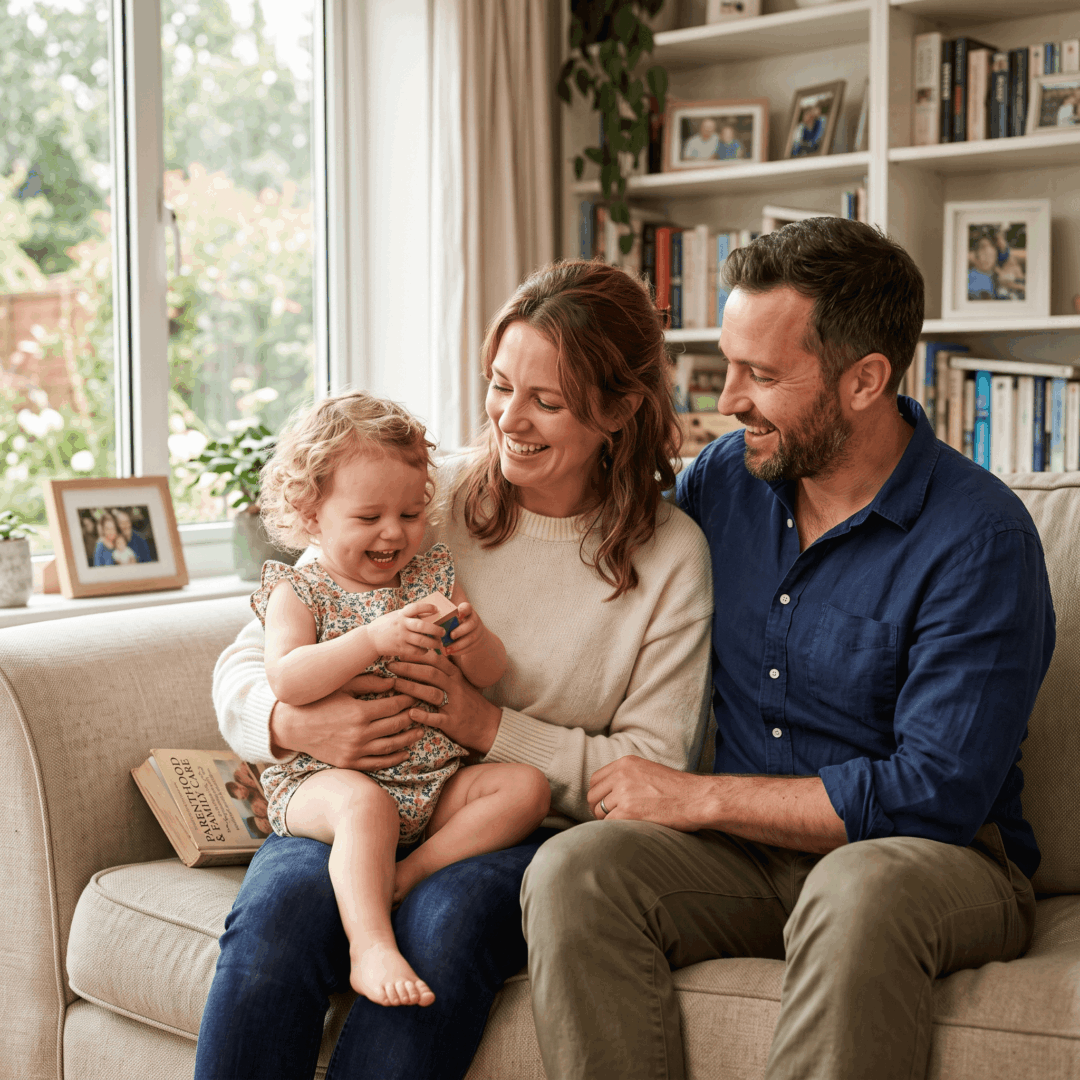
Parenting and Family Care is a journey that begins long before birth and continues through every milestone, challenge, and triumph that shapes a child’s life. From pregnancy and newborn care to toddler development, teen independence, and the everyday rhythms of family wellness, this guide brings together the essential knowledge parents need in 2026 to raise healthy, happy families.
Whether you’re navigating sleepless nights with a baby, supporting a toddler’s emotional growth, guiding a teen through digital life, or simply trying to keep your household balanced, this article connects you to trusted, practical advice across every stage.
It’s designed as your central hub, a place where mothers, parents, and caregivers can find clarity, confidence, and real‑world strategies that make family life feel lighter and more supported.
Below, you’ll find a complete breakdown of parenting and family care: physical health, emotional wellbeing, nutrition, sleep, digital safety, relationship support, and age‑specific guidance from newborns to teens. Each section links to deeper articles and resources so you can explore exactly what your family needs right now.
Key Takeaways
- Parenting and Family Care covers every stage from pregnancy to the teen years, giving you one place to find clear, practical guidance for your family.
- Age‑specific support helps you quickly find what matters most right now: newborn care, toddler routines, school‑age development, or teen wellbeing.
- Family health and nutrition focuses on simple, realistic ways to keep your household healthy without overcomplicating daily life.
- Emotional and mental wellbeing is woven through every stage, with tips that help both parents and children feel supported.
- Digital wellness offers practical ways to manage screen time, online safety, and healthy tech habits as your kids grow.
- Parental self‑care reminds you that looking after yourself is part of looking after your family, not an optional extra..
What Parenting and Family Care Really Means

Parenting and Family Care isn’t just about raising children; it’s about keeping your whole household steady through every stage of life. It’s the day‑to‑day decisions, the small routines, the emotional moments, and the practical choices that shape how your family grows.
Whether you’re caring for a newborn, guiding a toddler, supporting a school‑age child, or helping a teen find their place in the world, the core goal stays the same: creating a home where everyone feels safe, healthy, and supported.
At its heart, Parenting and Family Care is about understanding what your family needs right now. Some days that means focusing on motherhood basics: feeding, sleep, recovery, and adjusting to life with a baby. Other days it’s about toddler routines, emotional development, or helping your child learn through play. As your kids grow, the focus shifts again toward school‑age habits, friendships, independence, and eventually teen wellbeing and digital life.
Parenting also includes the parts we often forget: your own wellbeing. Healthy families start with healthy parents. That’s why this guide also covers parental self‑care, stress management, and simple ways to keep yourself grounded while raising kids. When you feel supported, your family feels it too.
Finally, Parenting and Family Care includes the everyday essentials that keep your household running smoothly: Family nutrition, sleep routines, emotional support, and digital safety. These aren’t “extras.” They’re the foundation that helps your family thrive, no matter the age or stage.
Motherhood: The First Foundation of Family Care

Motherhood is where family care truly begins. It’s the stage filled with new routines, new emotions, and a constant mix of learning and adjusting. Whether you’re preparing for birth, recovering postpartum, or settling into life with a newborn, this part of parenting shapes the foundation your family grows from.
Early motherhood often revolves around the essentials: Pregnancy health, feeding, sleep, and your own physical recovery. These aren’t just tasks; they’re the building blocks that help you feel steady and confident as you step into your new role. Small habits like eating well, resting when you can, and following simple prenatal or postpartum routines make a real difference in how supported you feel day to day.
Feeding is another major part of early motherhood. Whether you’re breastfeeding, pumping, or formula feeding, the goal is the same: keeping your baby nourished while keeping yourself comfortable and supported. If you’re breastfeeding, guidance on milk supply, latch, and nipple care can help you avoid common issues and make feeding feel more manageable. If you’re using formula, understanding safe preparation and feeding cues helps you build a calm, predictable routine.
Sleep is often the biggest challenge in the early months. Establishing gentle patterns, creating a safe sleep environment, and understanding newborn sleep cycles can make nights feel less overwhelming. Even small adjustments, like a calming bedtime routine or a consistent sleep space, can help your baby settle more easily and give you a bit more rest.
Motherhood also includes your emotional wellbeing. The shift into caring for a newborn can feel heavy at times, and it’s normal to experience moments of doubt or exhaustion. Paying attention to your mental health, asking for support, and, importantly, give yourself permission to slow down, as these are all part of healthy postpartum recovery. When you feel grounded, your baby feels it too.
This section sets the stage for everything that follows: baby development, toddler routines, school‑age growth, and teen independence. Motherhood is the starting point, and the habits you build here support your family through every stage ahead.
Babies Under 12 Months: Building Early Routines and Confidence

The first year of your baby’s life is full of rapid changes, new milestones, and constant learning. This stage is all about creating simple routines that help your baby feel secure while giving you a sense of rhythm in your day. It doesn’t need to be complicated, as small, consistent habits make the biggest difference.
Feeding is one of the main focuses during this stage. Whether you’re breastfeeding, pumping, or using formula, the goal is to keep your baby nourished and comfortable.
If you’re breastfeeding, guidance on milk supply, latch, and nipple care can help you avoid common issues and make feeding feel more manageable. Formula feeding can be just as smooth with safe preparation, responsive feeding cues, and a calm environment that helps your baby settle during each feed.
Sleep is another major part of the first year. Babies don’t follow predictable patterns at first, but gentle routines can help them feel more settled. A consistent sleep space, a simple bedtime rhythm, and understanding your baby’s early sleep cues can make nights feel less overwhelming.
If you need more support, your existing sleep resources under Health & Wellness offer practical guidance that fits naturally into this stage.
Development during the first year happens quickly. Your baby will move through phases of tummy time, rolling, sitting, babbling, and exploring the world through touch.
You don’t need strict schedules, just simple, everyday interactions like talking, singing, holding, and offering safe opportunities to move. These small moments support your baby’s physical and emotional growth without adding pressure to your day.
This stage also includes your own wellbeing. Caring for a baby is demanding, and it’s normal to feel tired or stretched thin. Paying attention to your physical comfort, staying hydrated, and taking small breaks when possible all support your ability to care for your baby.
Pro Tip: The first year is about connection, comfort, and learning together.
These early routines create a foundation that supports your baby as they grow into the toddler stage, where curiosity, movement, and emotional development become the focus.
Toddlers 1–3 Years: Routines, Emotional Growth, and Early Learning
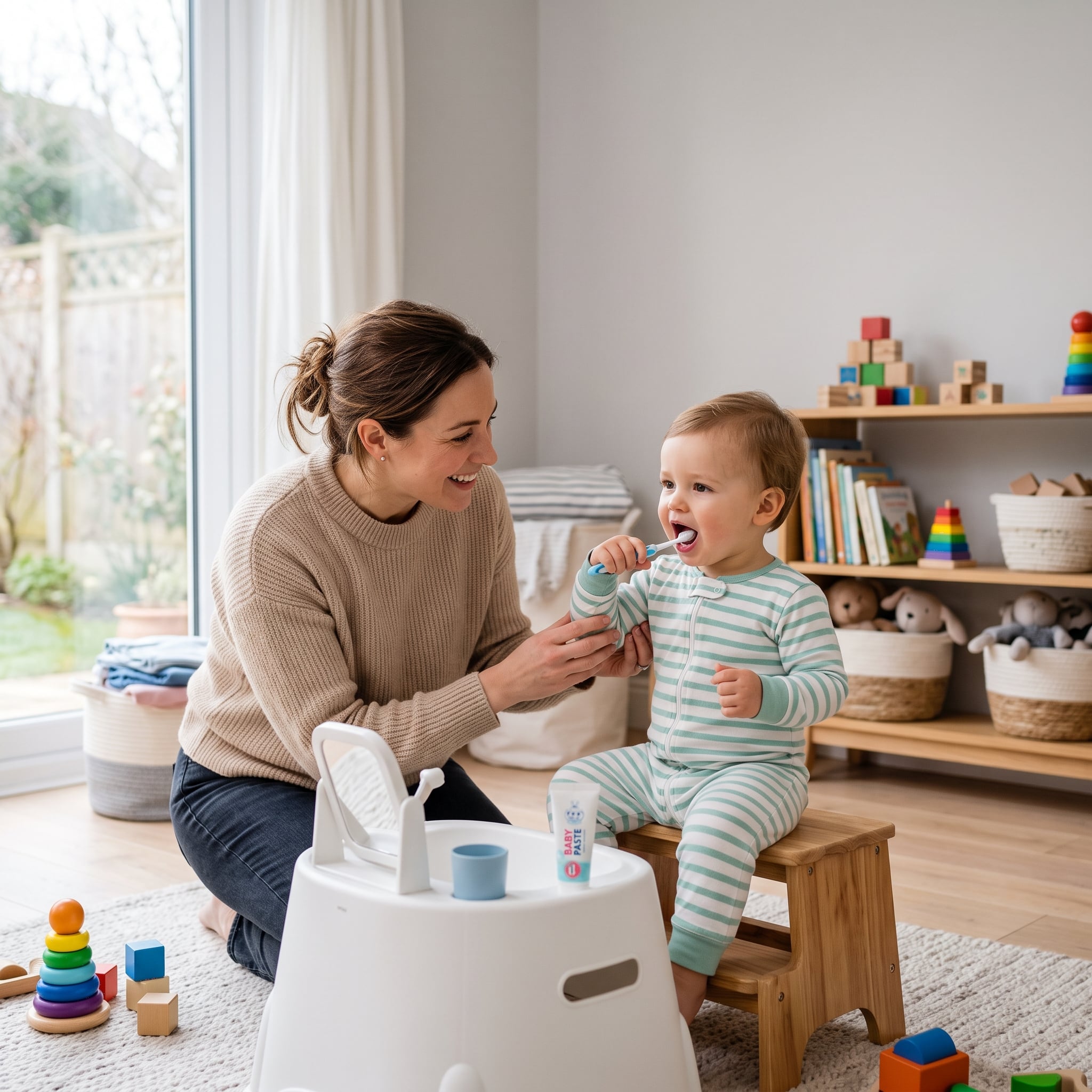
The toddler stage is full of movement, curiosity, and big emotions. This is when your child starts exploring the world with confidence, testing boundaries, and learning through every interaction.
Daily life becomes more active, more expressive, and sometimes more challenging, but it’s also one of the most rewarding stages of early parenting.
Routines play a huge role during these years. Toddlers feel safer and more settled when they know what to expect, and simple daily rhythms help reduce stress for both you and your child.
Consistent mealtimes, predictable nap schedules, and calm bedtime habits create a sense of structure that supports healthy development.
If you’re building new routines or adjusting old ones, your toddler resources under Toddlers 1–3 Years offer practical guidance that fits naturally into this stage.
Emotional development becomes more visible during the toddler years. Your child is learning how to express feelings, manage frustration, and understand simple boundaries. They won’t always get it right, and that’s normal.
Gentle guidance, patient communication, and simple emotional cues help toddlers learn how to navigate big feelings without overwhelming them. Everyday moments like sharing, waiting, or calming down after excitement all support emotional growth.
Early learning also becomes part of daily life. Toddlers learn best through play, exploration, and repetition.
You don’t need structured lessons, just opportunities to move, touch, talk, and imagine. Reading together, offering simple toys, exploring outdoors, and encouraging curiosity all help your toddler build language, motor skills, and confidence.
Nutrition continues to be important as toddlers become more independent with food. They may show preferences, resist new foods, or go through phases of picky eating. Simple meals, balanced options, and calm mealtime routines help toddlers develop healthy eating habits without pressure.
The toddler stage is about guiding your child through exploration, supporting emotional growth, and building routines that help your household feel steady habits create a strong foundation for the next stage, when your child becomes more independent, social, and ready for school‑age development.
School‑Age Children: Independence, Learning Habits, and Growing Confidence
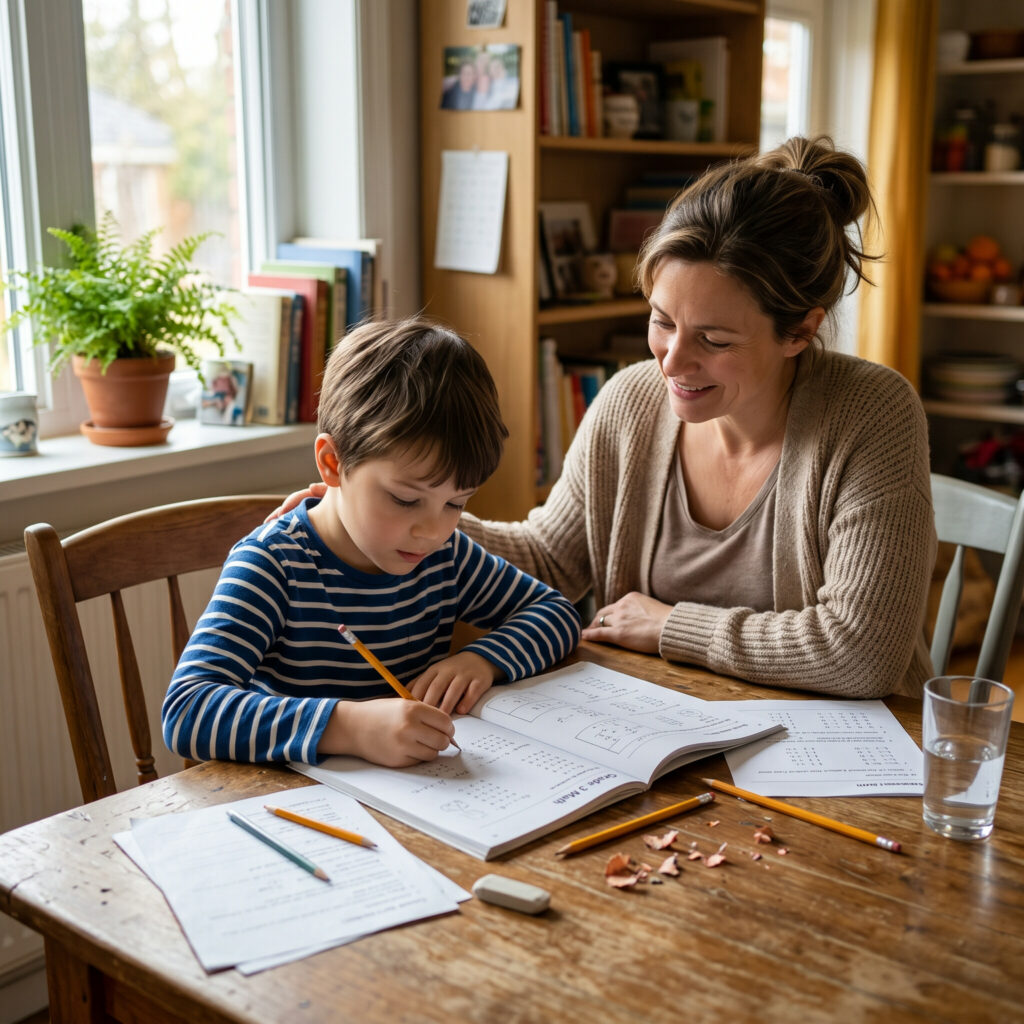
When children reach school age, their world expands quickly. They begin forming friendships, developing personal interests, and building routines that shape how they learn and interact with others.
This stage is all about guiding your child toward independence while still offering the support and structure they need to feel secure.
Daily routines become more predictable during these years. School schedules, homework time, after‑school activities, and family evenings create a rhythm that helps children stay balanced.
Consistent routines also make transitions easier, whether it’s getting ready in the morning, winding down at night, or managing busy days.
Learning habits start to take shape as children become more independent with schoolwork. Encouraging curiosity, offering gentle guidance, and creating a calm space for homework can help your child stay focused without pressure.
Simple habits like reading together, asking about their day, and celebrating small achievements build confidence and help children feel supported in their learning journey.
Friendships and social development also become more important during this stage. Children begin navigating peer interactions, sharing, cooperation, and early conflict resolution.
They may experience moments of excitement, frustration, or uncertainty as they learn how to communicate and build relationships. Offering reassurance, listening to their experiences, and helping them understand emotions can make social challenges feel more manageable.
Health and wellbeing continue to play a central role. School‑age children need balanced nutrition, regular movement, and enough rest to stay focused and energized.
This stage is about helping your child grow into their independence while staying connected as a family. The habits you build here, like communication, structure, emotional support you give, and helping create healthy routines, help develop a strong foundation for the next chapter in their life, when your child begins navigating the more complex world of adolescence.
Teenagers & Adolescence: Independence, Emotional Wellbeing, and Digital Wellbeing

The teenage years bring a new level of independence, self‑expression, and emotional depth. This stage is often described as a transition, not just for teens, but for parents too.
Your child begins forming their own identity, exploring personal interests, and navigating more complex social and emotional experiences.
Parenting shifts from hands‑on guidance to supportive coaching, where listening and understanding become just as important as structure.
Independence becomes a central theme during adolescence. Teens want more freedom, more responsibility, and more say in their daily lives.
Supporting this growth means offering clear expectations while allowing space for decision‑making. Simple habits like shared planning, open conversations, and predictable boundaries help teens feel trusted while still staying connected to the family.
Emotional wellbeing also becomes more layered. Teens experience stronger emotions, deeper friendships, and new pressures from school, peers, and personal goals. They may face moments of uncertainty, frustration, or self‑doubt as they learn how to manage stress and express themselves.
Encouraging open communication, validating their feelings, and offering calm guidance helps teens build resilience and confidence.
Digital wellbeing is now a major part of teenage life. Technology shapes how teens learn, socialize, and relax, but it also introduces new responsibilities.
Helping teens build healthy screen habits, understand online safety, and balance digital time with real‑world activities supports both independence and emotional health.
This isn’t about strict rules; it’s about guiding teens to make thoughtful choices and stay aware of how technology affects their mood, focus, and relationships.
Physical health continues to matter as teens grow rapidly and move through puberty; balanced nutrition, regular movement, and enough rest help them stay focused and energized.
The teenage years are about preparing for adulthood while staying connected as a family. The habits you build here- communication, trust, emotional support, and healthy boundaries; help your teen grow into a confident, capable young adult ready for the next stage of life.
Family Routines & Household Harmony, Structure, Communication, and Shared Responsibilities

A steady family routine creates a sense of calm and predictability for everyone in the household. Whether you’re caring for a baby, guiding a toddler, supporting a school‑age child, or navigating teenage independence, the rhythm of daily life plays a major role in how smoothly your home functions.
Family routines don’t need to be rigid, they simply provide a framework that helps each person feel supported and grounded.
Communication is at the heart of a harmonious home. Clear, calm conversations help children understand expectations, express their needs, and feel heard.
As kids grow, the way you communicate changes naturally. Younger children benefit from simple instructions and gentle reassurance, while older kids and teens respond well to open discussions, shared decision‑making, and respectful boundaries.
Shared responsibilities also help create balance. Even small tasks. tidying toys, helping set the table, or managing personal belongings, teach children independence and teamwork.
As kids grow older, responsibilities can shift to match their abilities, giving them a sense of contribution and confidence. These habits support smoother mornings, calmer evenings, and a more organized home environment.
Consistency is another key part of household harmony. Predictable routines around meals, rest, schoolwork, and family time help children feel secure and reduce daily stress.
Families often find that even simple rituals- reading together, sharing a meal, or having a quick end‑of‑day check‑in strengthen connection and make the home feel more unified.
Family wellbeing ties everything together. A balanced home environment supports emotional health, reduces overwhelm, and helps everyone feel more connected. Family routines aren’t about perfection; they’re about creating a home where everyone feels supported, understood, and part of a team.
These habits form the foundation for the next stage of your pillar, where long‑term family wellbeing and connection become the focus.
Long‑Term Family Wellbeing: Connection, Resilience, and Healthy Lifestyle Habits
Long‑term family wellbeing is built through everyday moments, steady habits, and the way your household supports each person’s growth over time. It’s not about perfection or strict routines; it’s about creating a home environment where everyone feels connected, understood, and supported through each stage of life.
Connection is one of the strongest foundations of family wellbeing.
Simple interactions like talking about your day, sharing meals, spending time together, or checking in emotionally help strengthen relationships. These moments build trust and create a sense of belonging that carries children through childhood, adolescence, and into adulthood.
Resilience develops gradually as families navigate challenges, changes, and everyday stress.
Children learn resilience through supportive guidance, predictable routines, and opportunities to solve problems on their own.
Parents build resilience by staying flexible, communicating openly, and finding balance between responsibilities and rest.
Over time, these habits help families handle transitions, new schools, changing schedules, and growing independence with confidence and stability.
Healthy lifestyle habits also play a major role in long‑term wellbeing. Balanced nutrition, regular movement, and consistent rest support both physical and emotional health for every age group. These habits don’t need to be complicated; they grow naturally through small daily choices.
Emotional wellbeing ties everything together. A supportive home environment helps children and teens feel safe expressing their feelings, asking questions, and seeking comfort when needed.
Parents benefit from emotional balance too; taking small breaks, staying connected with loved ones, and practicing self‑care all contribute to a calmer, more grounded household.
Family wellbeing isn’t a single goal; it’s an ongoing process shaped by connection, communication, healthy habits, and shared experiences.
These foundations support every stage of parenting and help create a home where each person can grow, thrive, and feel supported throughout life.
Bringing It All Together: A Supportive Guide for Every Stage of Parenting

Parenting is a journey that evolves through every stage of your child’s life. From the early months of feeding and sleep, through toddler exploration, school‑age routines, teenage independence, and long‑term family wellbeing, each chapter brings new experiences, challenges, and moments of growth.
While every family’s path is unique, the foundations of connection, communication, and steady habits help create a home where everyone can thrive.
This guide brings together the core themes that shape family life: emotional support, healthy routines, development, and wellbeing.
As your child grows, your role shifts, but the heart of parenting remains the same: being present, offering guidance, and creating an environment where your family feels safe, supported, and understood.
Fact of Life
Parenting doesn’t come with a perfect roadmap: It’s built through small moments, shared experiences, and the way you show up for your family each day.
final Thoughts

Parenting is a journey that changes with every stage of your child’s life. This guide brings together the essential themes that support families from infancy through adolescence: routines, emotional development, independence, communication, and long‑term wellbeing.
Each section offers practical, relatable guidance to help you navigate everyday challenges while building a strong, connected home environment.
Whether you’re caring for a newborn, guiding a toddler’s curiosity, supporting a school‑age child’s confidence, or helping a teenager grow through independence and digital wellbeing, this guide provides a clear path forward.
You’ll find support across key areas like Parenting Tips & Strategies, Family Health & Nutrition, and Mental and Emotional Wellness, giving you resources that fit naturally into everyday family life.
Frequently Asked Questions
What are the most important routines for young children?
Young children thrive on predictable routines because they help them feel secure and calm. Simple patterns like consistent wake‑up times, regular meals, playtime, and bedtime rituals create a steady rhythm that reduces stress and supports emotional development.
How do I support my toddler’s emotional development?
Toddlers experience big emotions as they learn to communicate, explore, and understand the world. Support their emotional growth by naming feelings, offering reassurance, and creating calm spaces for them to express themselves. Gentle guidance, patience, and simple choices help toddlers feel understood and build early emotional skills.
What helps school‑age children stay focused and confident?
School‑age children benefit from structure, encouragement, and a supportive learning environment. A quiet homework space, predictable routines, and regular check‑ins help them stay organized and confident. Celebrating small achievements and staying involved in their daily experiences strengthens motivation and self‑esteem.
How do I handle teenage independence and boundaries?
Teenagers naturally seek independence as they form their identity. Support this growth by offering clear expectations, open communication, and shared decision‑making. Healthy boundaries help teens feel trusted while still staying connected to the family. Calm conversations, predictable rules, and mutual respect make this stage smoother for everyone.
What is digital wellbeing for teens?
Digital wellbeing is about helping teens build healthy habits around technology. This includes balancing screen time with real‑world activities, understanding online safety, and staying aware of how digital use affects mood, sleep, and focus. It’s not about strict rules, it’s about guiding teens to make thoughtful choices.
How can families build long‑term wellbeing together?
Long‑term wellbeing grows through connection, communication, and steady habits. Sharing meals, spending time together, practising emotional openness, and maintaining healthy routines all contribute to a balanced home environment. Families thrive when they support each other through changes, challenges, and everyday moments.
External Resources for Parents:
Raising Children Network: https://raisingchildren.net.au (raisingchildren.net.au in Bing)
Zero to Three: https://www.zerotothree.org
Mind Institute: https://childmind.org ReachOut Australia: https://au.reachout.com
Headspace: https://headspace.org.au
Common Sense Media: https://www.commonsensemedia.org
Beyond Blue: https://www.beyondblue.org.au
Health Direct: https://www.healthdirect.gov.au (healthdirect.gov.au in Bing)
UNICEF Parenting: https://www.unicef.org/parenting
If you’d like to share your experiences or ask a question, feel free to join the conversation in the comments. Every family’s journey is different, and your insights may help someone else too.