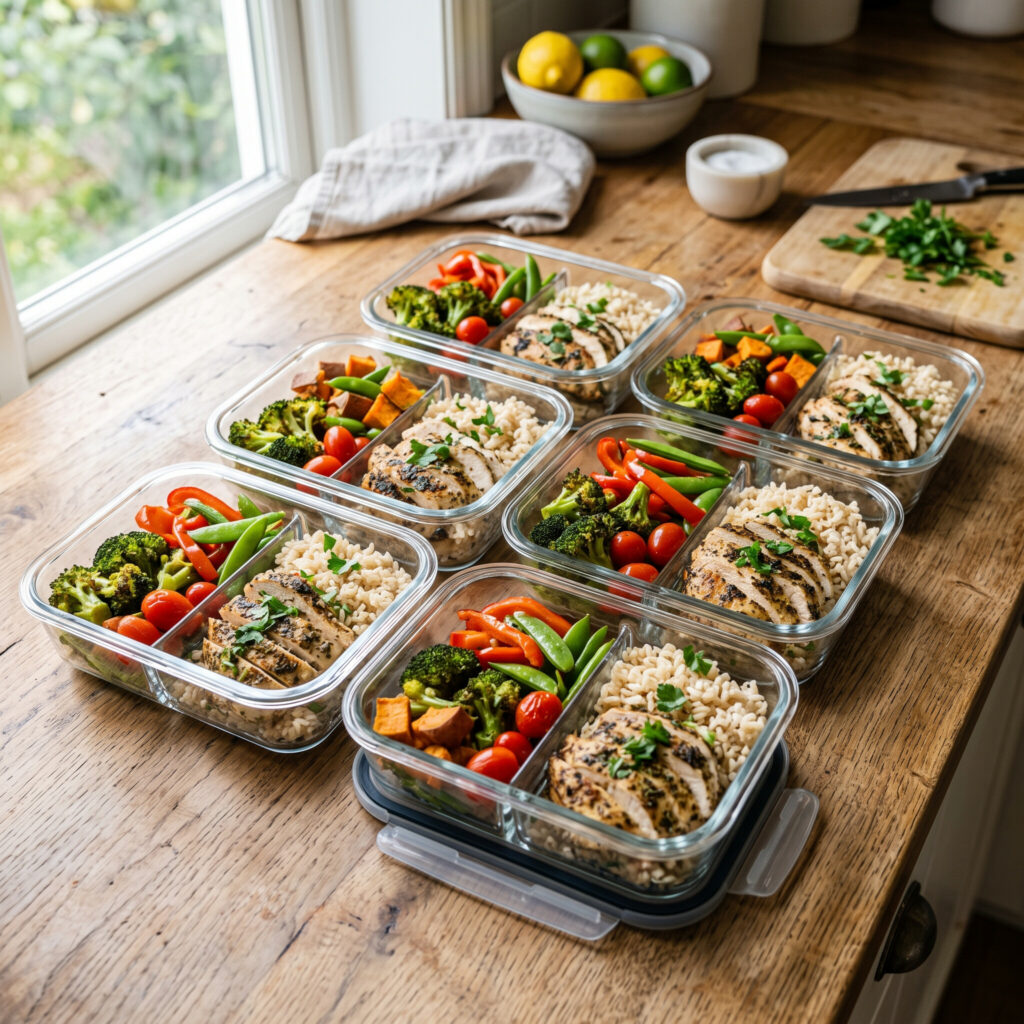
Healthy family nutrition starts with simple, everyday choices that fit into real life. When meals are easy to prepare and balanced across all ages, families stay energised, focused, and well-supported throughout the week.
This guide breaks down the essential nutrition principles busy families can follow without strict diets or stressful routines.
Healthy family nutrition is about making balanced, practical food choices that support every age in the household.
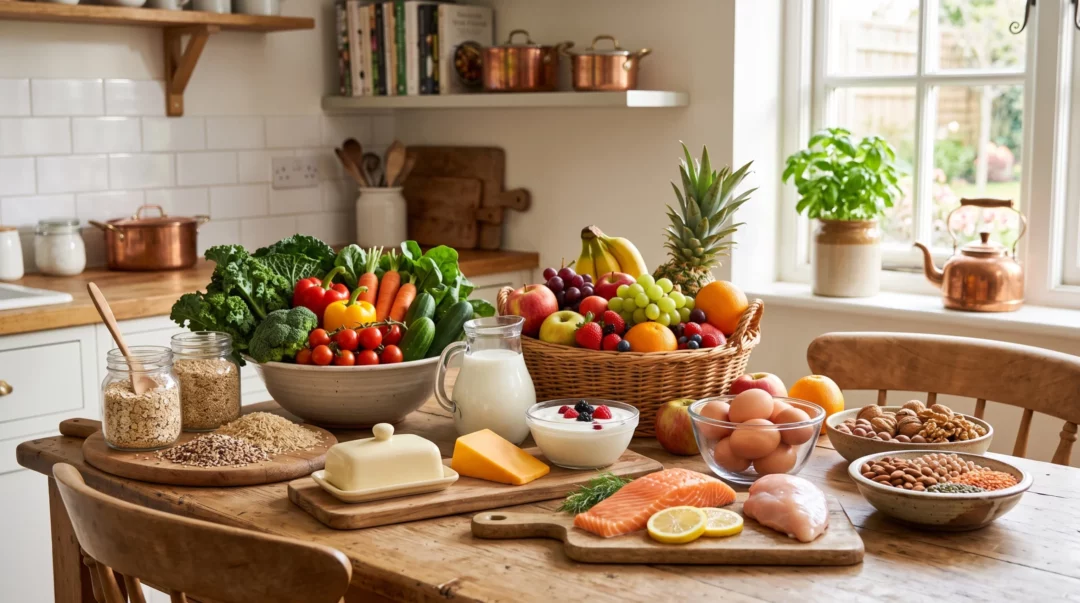
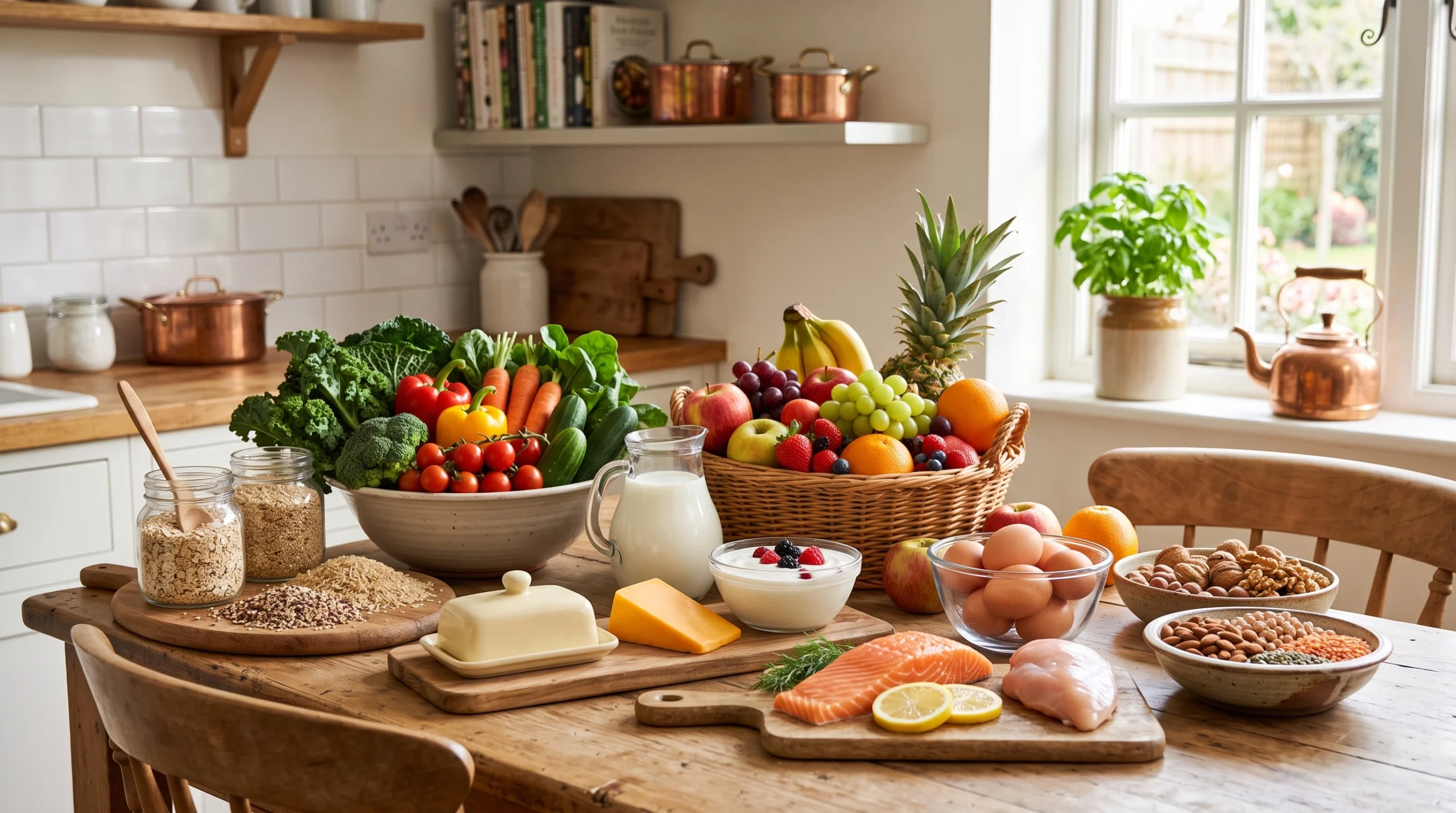
Whole foods from the five food groups
Balanced meals using the plate model
Hydration as a daily priority
Time‑saving meal strategies
Reduced processed foods
Simple habits families can maintain long-term
What Healthy Family Nutrition Really Means
Healthy eating for families isn’t about restriction or chasing trends. It’s about creating an environment where nourishing food is a normal part of daily life — even when schedules are unpredictable.
Healthy family nutrition means:
Building meals with what you have
Making realistic swaps
Keeping food choices flexible
Supporting growth, energy, learning, and long-term well-being
The basics include:
Fruits
Vegetables
Whole grains
Lean proteins
Dairy or fortified alternatives
Healthy eating is not “good vs bad foods.” It’s about:
Adding more colour
Making smarter swaps
Keeping healthy options easy to grab
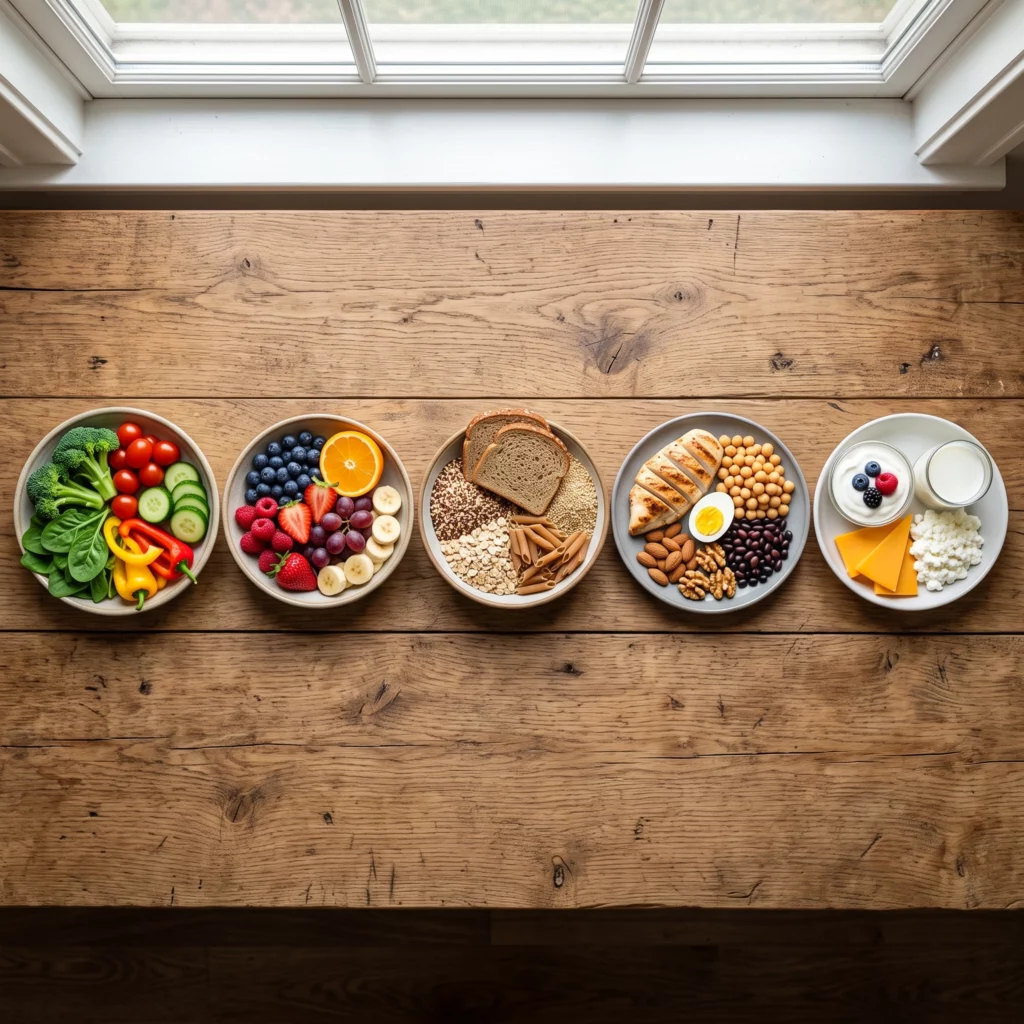
The Five Essential Food Groups (For All Ages)
These food groups form the foundation of healthy eating for kids, teens, adults, and seniors.
Vegetables
Fiber, vitamins, minerals. Fresh, frozen, or canned, they all count.
Fruits
Vitamin C, fibre, and natural sweetness. Whole fruits are best; fruit cups or unsweetened applesauce work in busy weeks.
Grains
Whole grains like brown rice, oats, and whole wheat bread provide steady energy. Aim for whole grains most of the time, not perfection for every meal.
Protein Foods
Lean meats, fish, eggs, beans, tofu, lentils, nuts. Mixing plant and animal proteins keeps meals diverse and budget-friendly.
Dairy or Alternatives
Milk, cheese, yogurt, or fortified plant-based options. Calcium + vitamin D support bone health for all ages.
Healthy Family Nutrition: The Balanced Plate Model
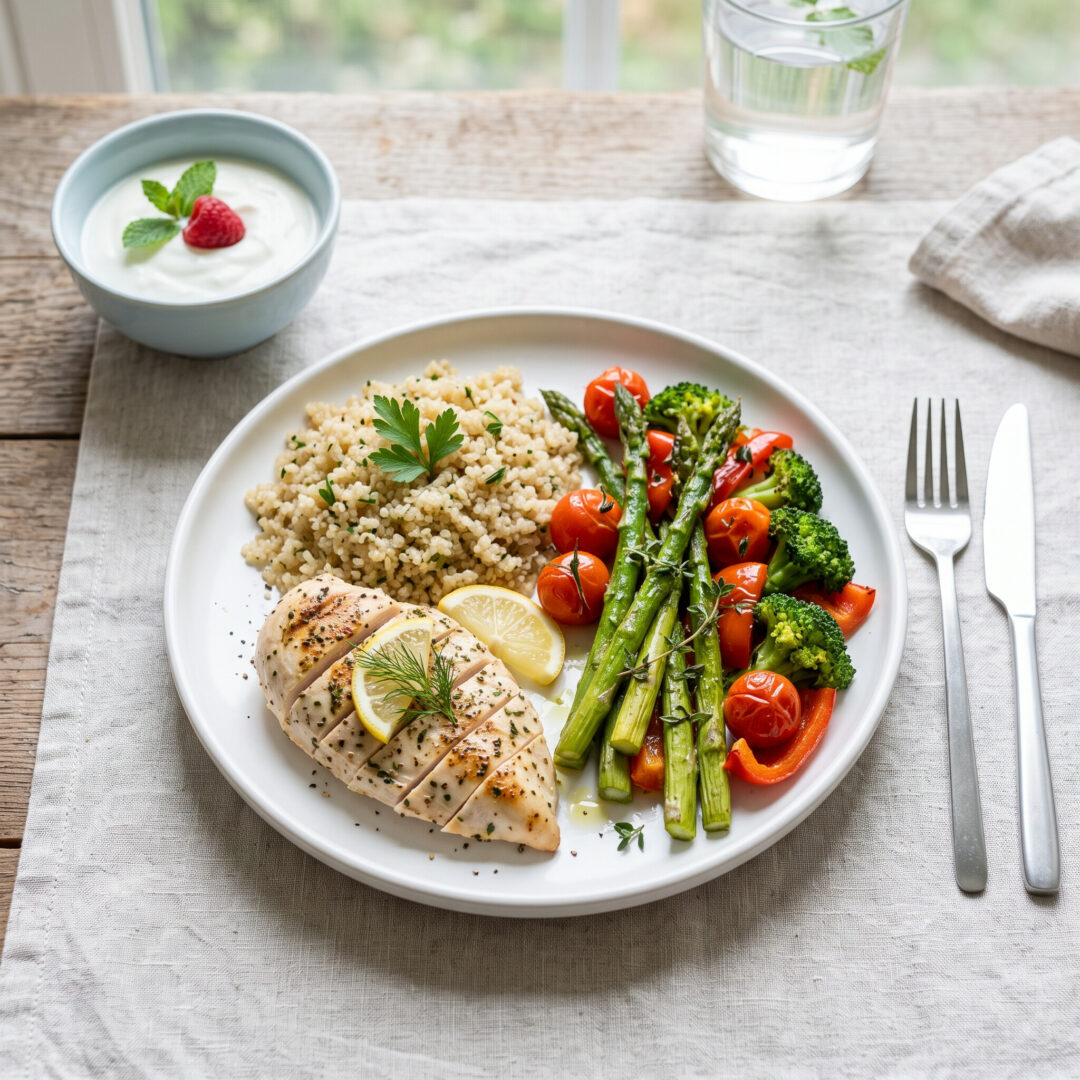
The balanced plate model is a simple visual guide that works for any meal, packed lunches, quick dinners, or even takeout nights.
Balanced Plate Breakdown
½ plate: vegetables + optional fruit
¼ plate: whole grains or starchy foods
¼ plate: protein foods
Optional side: dairy or fortified alternative
The great thing for Families is:
No measuring
No calorie counting
Works when tired or rushed
Helps portion balance
Keeps meals colourful
Time‑Saving Nutrition Strategies for Busy Households
Smart Shortcuts That Don’t Cut Nutrition
Prep staples on slower days: batch-cook proteins, chop extra veggies, or prep overnight oats.
Double recipes: chilli, burrito bowls, soups — perfect for leftovers.
Frozen is a win: frozen veggies, fruits, and proteins are nutritious and time-saving.
Encourage sipping before school, sports, or activities.
Milk can support hungry kids; choose unsweetened alternatives when needed.
Limit sugary drinks, sports drinks, and sodas.
Foods to Limit in Busy Households
Not banned, just better as occasional extras.
Better in Moderation
Highly processed snacks
Sugary drinks
Frequent fast food
High-salt deli meats
Sweetened beverages
Smart Swaps
Popcorn
Trail mix
Yogurt
Veggies + dip
Fruit cups
8. Top 10 Nutritious Meals for Busy Families
Sheet pan chicken, veggies & potatoes
Stir fry with brown rice
Breakfast-for-dinner omelette
Build-your-own taco night
Whole wheat pasta with veggie sauce
Chickpea & veggie curry
Soup & sandwich combo
Mason jar salads
Homemade “lunchables”
7‑Day Healthy Eating Reset (Whole Family)
Day-by-Day Snapshot
Day 1: Sheet pan salmon + sweet potatoes + broccoli
Day 2: Veggie omelet + whole wheat toast + fruit
Day 3: Whole grain pasta + turkey/lentils + peas
Day 4: Chicken or chickpea stir fry
Day 5: Mini whole wheat pizzas
Day 6: Slow cooker chilli + cornbread
Day 7: Build-your-own taco salad
Final Takeaway
Healthy family nutrition is built on balanced food groups, hydration, simple habits, and time-saving routines, not perfection. Small changes repeated over time create lasting results.
Frequently Asked Questions
1. What if my child is extremely picky? Offer a variety without pressure. Kids often need many exposures before trying new foods. Let them help choose or prepare ingredients to build confidence and curiosity.
2. How can we get more veggies into meals? Use simple add‑ins like grated carrot, chopped spinach, or frozen peas in sauces, soups, and casseroles. Prep veggies ahead or serve a small raw veggie tray before dinner.
3. Are fast‑food nights ruining our nutrition? Not at all. Healthy eating is about long‑term patterns, not single meals. Add fruit or veggie sides when possible, and use takeout nights as part of a balanced weekly routine.
4. Which milk or milk alternatives are best? Low‑fat cow’s milk or calcium‑fortified unsweetened soy or oat milk are good strong choices. Look for added vitamin D, and avoid sweetened varieties to reduce extra sugar.
5. What’s the easiest way to start making lasting changes? Choose one habit, like adding a vegetable to lunch or drinking more water, and stick with it for two weeks. Small, consistent changes build momentum and confidence.
6. How can we eat healthy on a tight budget? Focus on affordable staples like beans, lentils, eggs, frozen vegetables, wholegrain pasta, and oats. Plan simple meals, buy in bulk when possible, and use leftovers creatively. Frozen produce is just as nutritious as fresh and often much cheaper.
Related Reading
To explore more parenting and family‑care topics, here are helpful guides that may benefit you and your family:
If you’d like to share your experiences or ask a question, feel free to join the conversation in the comments. Every family’s journey is different, and your insights may help someone else too.
We use cookies on our website to give you the most relevant experience by remembering your preferences and repeat visits. By clicking “Accept”, you consent to the use of ALL the cookies.
This website uses cookies to improve your experience while you navigate through the website. Out of these cookies, the cookies that are categorized as necessary are stored on your browser as they are as essential for the working of basic functionalities of the website. We also use third-party cookies that help us analyze and understand how you use this website. These cookies will be stored in your browser only with your consent. You also have the option to opt-out of these cookies. But opting out of some of these cookies may have an effect on your browsing experience.
Necessary cookies are absolutely essential for the website to function properly. This category only includes cookies that ensures basic functionalities and security features of the website. These cookies do not store any personal information.