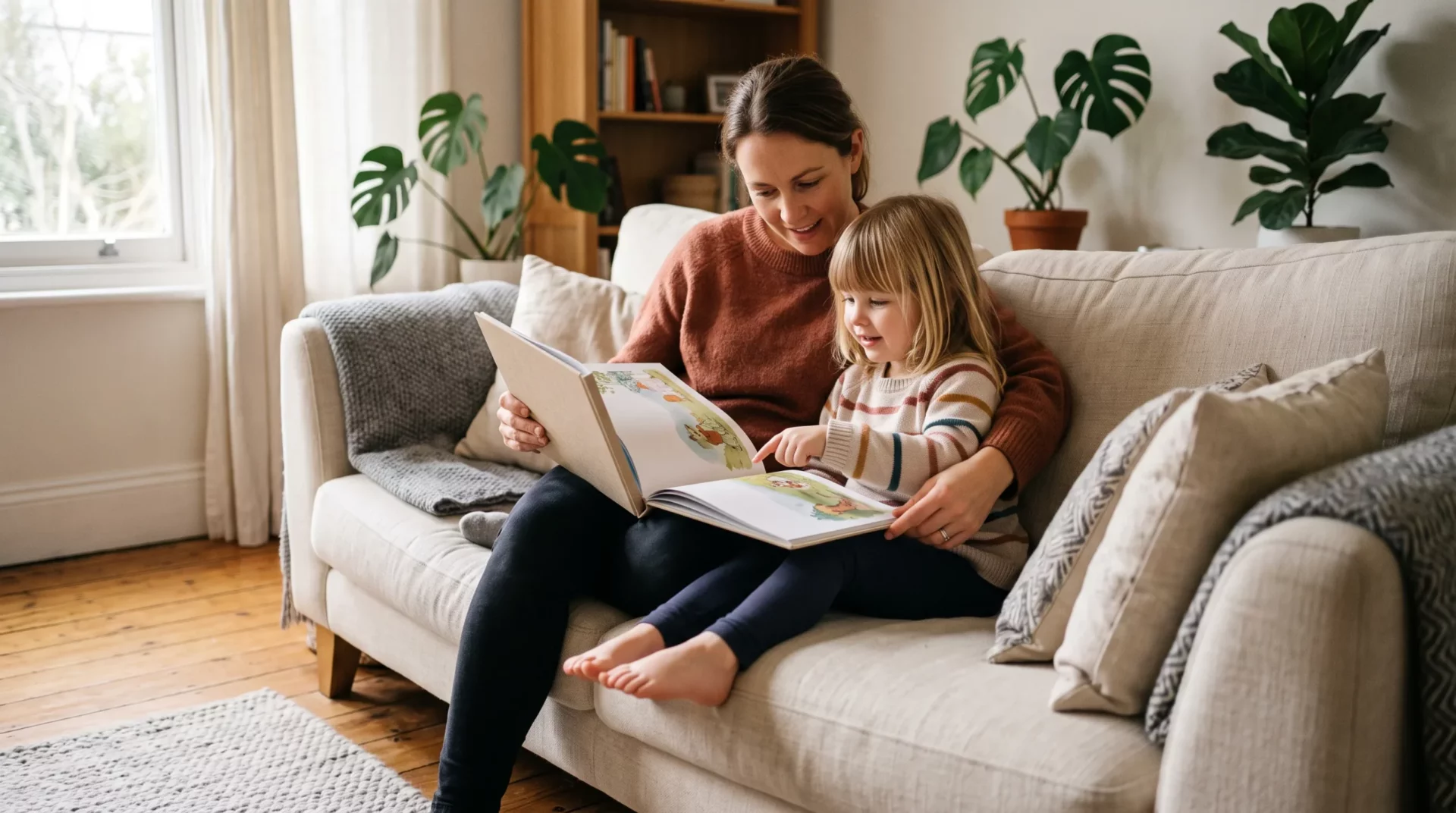
Reading to your child is one of the simplest things you can do that makes a real difference in their lives. It’s not just something you do to fill a few quiet minutes before bed. The benefits of reading to your child reach into language, memory, emotions, and the lifelong bond you build together. Best of all, these positive effects start much earlier than most parents expect.
You don’t need a special routine or expensive books to get this right. A few minutes with a story, most days, is enough to start building skills your child will use for years.
Here’s a quick look at what the research and this post covers, so you can jump to whatever’s most useful to you right now.
Reading builds vocabulary and language skills faster than everyday conversation alone
It supports memory, focus, and critical thinking through story structure
Shared reading strengthens emotional bonds and helps kids understand feelings
Starting early, even with babies, sets the stage for stronger literacy later
A few short sessions a day matter more than long, occasional ones
Language and Literacy Development
Building Vocabulary Naturally
Books introduce words your child won’t necessarily hear in daily conversation. A picture book about the ocean might bring up words like “current,” “tide,” or “coral,” things that just don’t come up over breakfast. Hearing these words in context, with pictures to match, helps kids pick them up without any real effort on their part.
This kind of exposure adds up. Kids who are read to regularly tend to have noticeably larger vocabularies by the time they start school, and a bigger vocabulary makes almost everything else, from following instructions to writing their own stories, a bit easier.
Learning Sentence Structure and Rhythm
Listening to you read also teaches your child how language is put together. Stories have rhythm and pattern, and kids absorb that structure long before they can read a word themselves. This is part of the reason why reading aloud is often described as one of the strongest early building blocks for literacy; it gives your child a feel for how sentences work before they ever have to write one.
Brain and Cognitive Growth
Building Focus, Memory, and Concentration
Sitting through a story, even a short one, asks a child to do something that doesn’t come naturally at first: stay with one thing for a few minutes. Following a plot, remembering what happened on the last page, and anticipating what comes next all work the same mental muscles kids will need for school later on.
Developing Critical Thinking Through Story Problems
Most children’s stories follow a predictable pattern: a character faces a dilemma, whether it’s a lost toy, a playground disagreement, or a tough choice, and has to figure out what to do.
These moments are actually a gift for your child. Watching a character navigate a problem gives them a completely safe space to practice real-life problem-solving. You can easily turn storytime into an interactive game by pausing and asking, “What do you think they should do next?”
You might be surprised by how deeply they are already thinking, and you’ll get a fascinating window into how their little mind works.
Emotional Bonding and Emotional Intelligence
A Safe Space to Explore Feelings
Books let kids sit with feelings they might not have words for yet. A character who’s scared of the dark, or upset about moving to a new house, gives your child a way to recognize and name similar feelings in themselves. That’s a skill that takes practice, and stories are a gentle way to build it.
Reading time itself does some of this work too. Sitting close, sharing a book, and having your full attention for a few minutes tells a child they’re safe and important, which matters just as much as anything on the page.
Building Empathy Through Diverse Stories
Choosing books with characters from different backgrounds, cultures, or life experiences helps your child see the world through someone else’s eyes. This is one of the more overlooked benefits of reading together, it’s not just about language or memory, it’s about learning to relate to people who aren’t exactly like you.
Amazon Disclosure: As an Amazon Affiliate I may earn from qualyfing purchases at no cost to you.
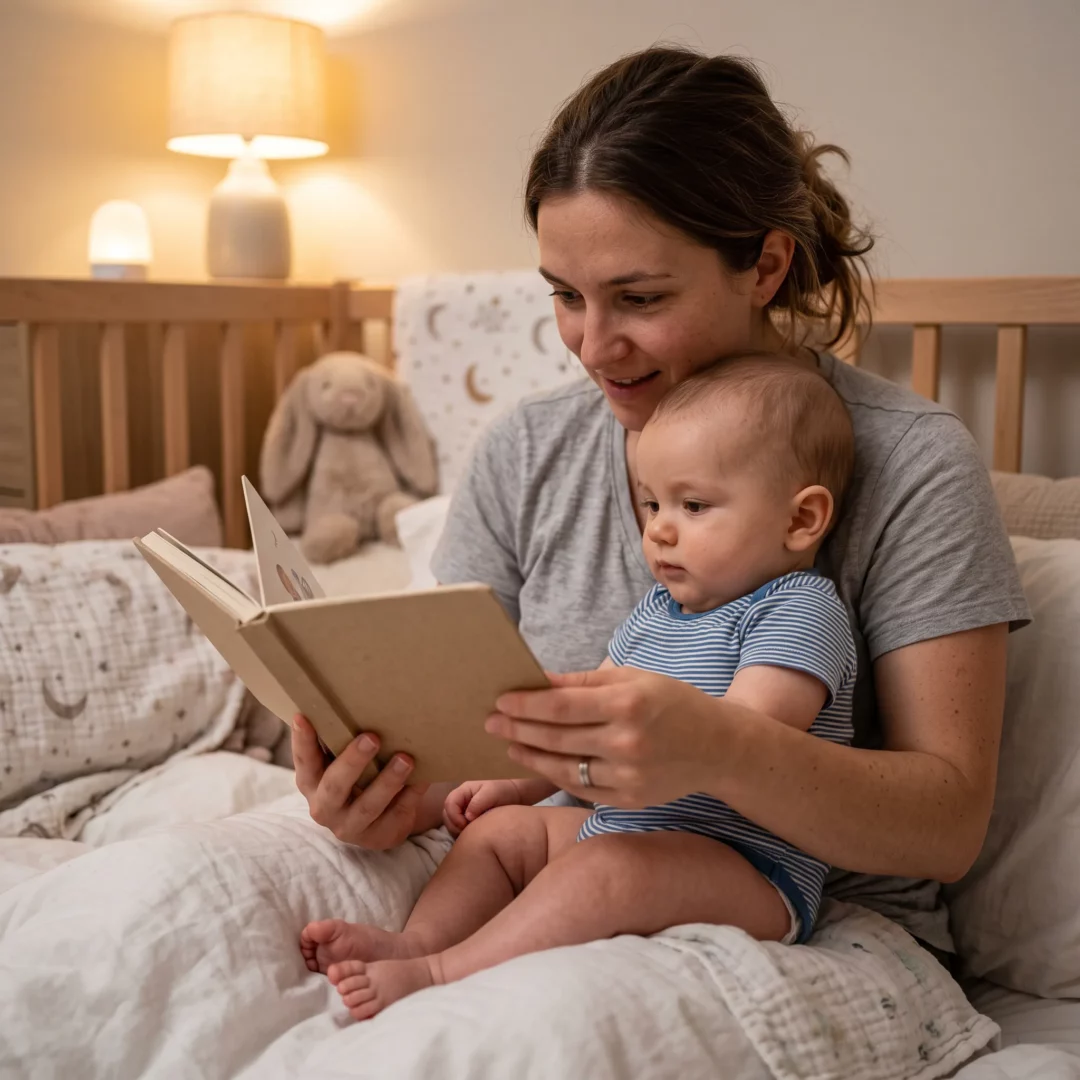
You can start reading to your baby from the very first weeks. Newborns won’t understand the words, but they respond to your voice, the rhythm of the sentences, and the closeness of being held while you read. It’s less about the story at this stage and more about building a habit and a connection early.
How Long and How Often, and Can You Read Too Much
There’s no strict rule here, but most guidance points to reading with your child at least once a day, even if it’s just ten or fifteen minutes. Consistency matters more than length.
As for reading too much, that’s not really something to worry about. If your child wants the same book five times in a row, that repetition is actually helping them, not hurting them.
Why Bedtime Reading Works So Well
Bedtime is a popular choice for a reason. It’s calm, it’s quiet, and it gives your child something predictable to look forward to at the end of the day. A short story before lights out can also help kids wind down, which makes bedtime itself a little easier on everyone.
Academic and Social Success
Kids who grow up being read to tend to enter school with a head start, not because they’ve memorized facts, but because they’re comfortable with language, curious about stories, and used to sitting with a book. That comfort translates into stronger reading skills, better comprehension, and often more confidence in the classroom.
The social side matters too. Kids who’ve been exposed to a wide range of stories tend to communicate more clearly and pick up on social cues a little faster, since books quietly model conversations, conflict, and cooperation in ways everyday life doesn’t always spell out.
Practical Tips for Making Reading a Daily Habit
Creating a Reading Space and Routine
You don’t need a dedicated reading nook, though a cozy corner with a cushion or two doesn’t hurt. What matters more is consistency. Pick a time, whether that’s after dinner or right before bed, and try to stick with it most days. Kids like knowing what to expect.
Interactive Reading: Voices, Questions, and Letting Your Child Choose
Reading doesn’t have to be a straight read-through. Try doing different voices for characters, pausing to ask what your child thinks will happen next, or letting them flip the pages. And when they want to pick the book themselves, even if it’s the same one again, let them. That sense of ownership keeps them engaged and makes reading feel like their thing, not just something you’re doing to them.
A colourful, repetitive story works especially well for this stage. The Very Hungry Caterpillar is a great example; the bright illustrations give your child plenty to point at and name each time through, and the repeating structure makes it easy for them to start predicting what comes next.
Final Takeaway: The Benefits of Reading to Your Child
Reading to your child doesn’t need to be complicated or perfectly planned. A few minutes a day, starting as early as you like, builds language skills, supports brain development, and gives you both a moment of real connection. The benefits stack up quietly over time, and most of the effort is just showing up with a book.
For further reading, Raising Children Network has a helpful breakdown of age-by-age reading tips, and the Child Mind Institute covers the research side of why reading aloud matters so much.
Frequently Asked Questions
Why is reading to your child so important?
Reading builds language skills, supports brain development, and strengthens the emotional bond between you and your child, all through a simple, low-cost daily habit.
What is the best age to start reading to my child?
You can start from birth. Newborns respond to your voice and the rhythm of reading long before they understand the words themselves.
How long should I read to my child each day?
Even ten to fifteen minutes a day is enough to make a difference. Consistency matters more than the length of each session.
Can you read to your child too much?
No. Repetition, even reading the same book over and over, actually reinforces learning rather than working against it.
Why is reading at bedtime so popular with parents?
Bedtime is quiet and predictable, which makes it easier for kids to settle in and focus. It also gives them something calming to look forward to at the end of the day.
Join the Conversation
What’s your child’s favourite book right now, or what’s a reading habit that’s worked well in your home?
Share it in the comments; other parents reading this might find it useful too.
We use cookies on our website to give you the most relevant experience by remembering your preferences and repeat visits. By clicking “Accept”, you consent to the use of ALL the cookies.
This website uses cookies to improve your experience while you navigate through the website. Out of these cookies, the cookies that are categorized as necessary are stored on your browser as they are as essential for the working of basic functionalities of the website. We also use third-party cookies that help us analyze and understand how you use this website. These cookies will be stored in your browser only with your consent. You also have the option to opt-out of these cookies. But opting out of some of these cookies may have an effect on your browsing experience.
Necessary cookies are absolutely essential for the website to function properly. This category only includes cookies that ensures basic functionalities and security features of the website. These cookies do not store any personal information.