
What are Essential Oils Used For?
What are essential oils used for? They’ve been used for religious rituals, medicine and everyday wellbeing for thousands of years, and today you’ll find them in everything from your diffuser to your cleaning cupboard. Whether you’re new to essential oils or just want to use them more safely, here’s what they actually do, where they came from, and how to get the most out of them.
Key Takeaways
Before we get into the history and the full list of uses, here’s the short version if you’re pressed for time.
- Essential oils are highly concentrated plant extracts, not the same as artificial fragrance oils
- They’ve been used since ancient Egypt and India for religious, medicinal and spiritual purposes
- Today they’re used for aromatherapy, skincare, hair care, focus, cleaning and more
- There are two main ways to use them safely: aromatic (inhaling) and topical (applying to skin, always diluted)
- Some oils are toxic to pets and shouldn’t be used around young children without care
A Brief History of Essential Oils
To understand what essential oils are used for today, it helps to know where they came from. Nobody can say for certain whether Egypt or India came first, but both cultures were using aromatic oils thousands of years ago, largely for the same three reasons: religious rituals, medicine and general wellbeing, and spiritual practice.
Egypt
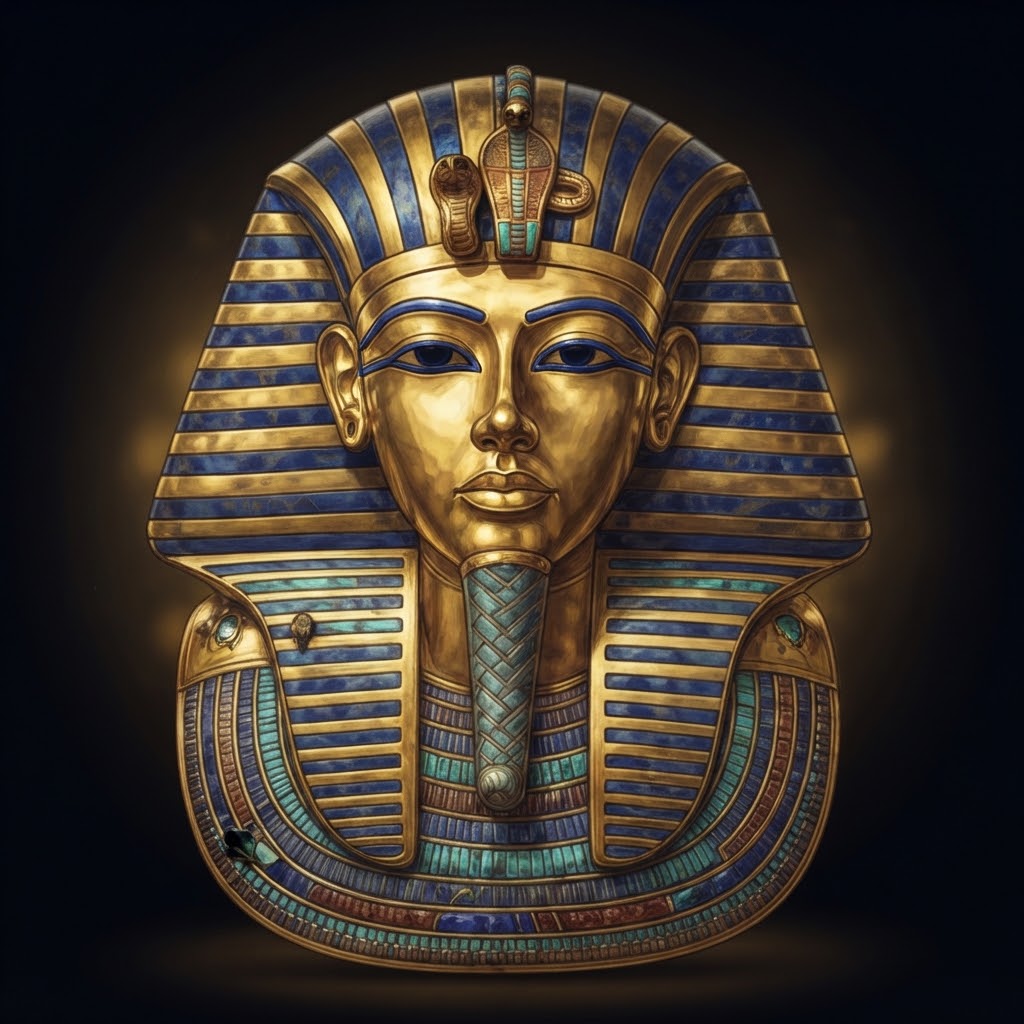
In Ancient Egyptian culture, religion and medicine were closely linked, mostly because of their belief in the afterlife. When someone died, their spirit was believed to need its physical body again, so mummification became part of preparing for that journey.
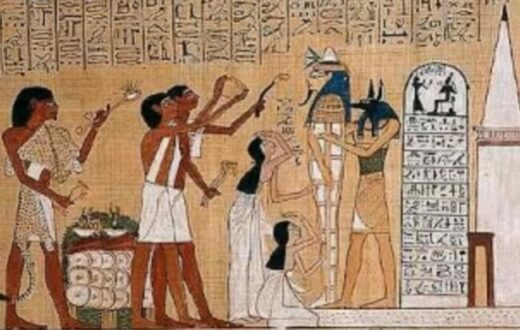
Egypt Mummy preparation
The process was detailed and could take up to seventy days. Myrrh, cinnamon and frankincense were part of it, and myrrh and frankincense in particular were treasured. It’s not a coincidence that these same two oils, along with gold, appear in the Bible as gifts brought to the Christ Child. You’ll still find Frankincense used in churches for purification and ceremony today.
Cleanliness mattered enormously to the Egyptians too. A pleasant scent was associated with purity and a sacred presence, which is part of why Egypt is still considered by many to have produced some of the finest oils used in perfumery.
India

India wall inscriptions
Ayurvedic medicine, one of India’s oldest traditions, still uses essential oils for the health of the body, mind and spirit, with practices dating back to around 2000 BC. Sandalwood, cinnamon, ginger, myrrh and Basil were among the 700-plus herbs and aromatic oils known at the time.
The Vedas, one of India’s sacred texts, describe many of these ingredients being used as perfume and for therapeutic and religious purposes. Ayurvedic medicine’s focus on natural healing includes oil massage, where the sense of smell helps stimulate healing throughout the body.
Extracting the Oil
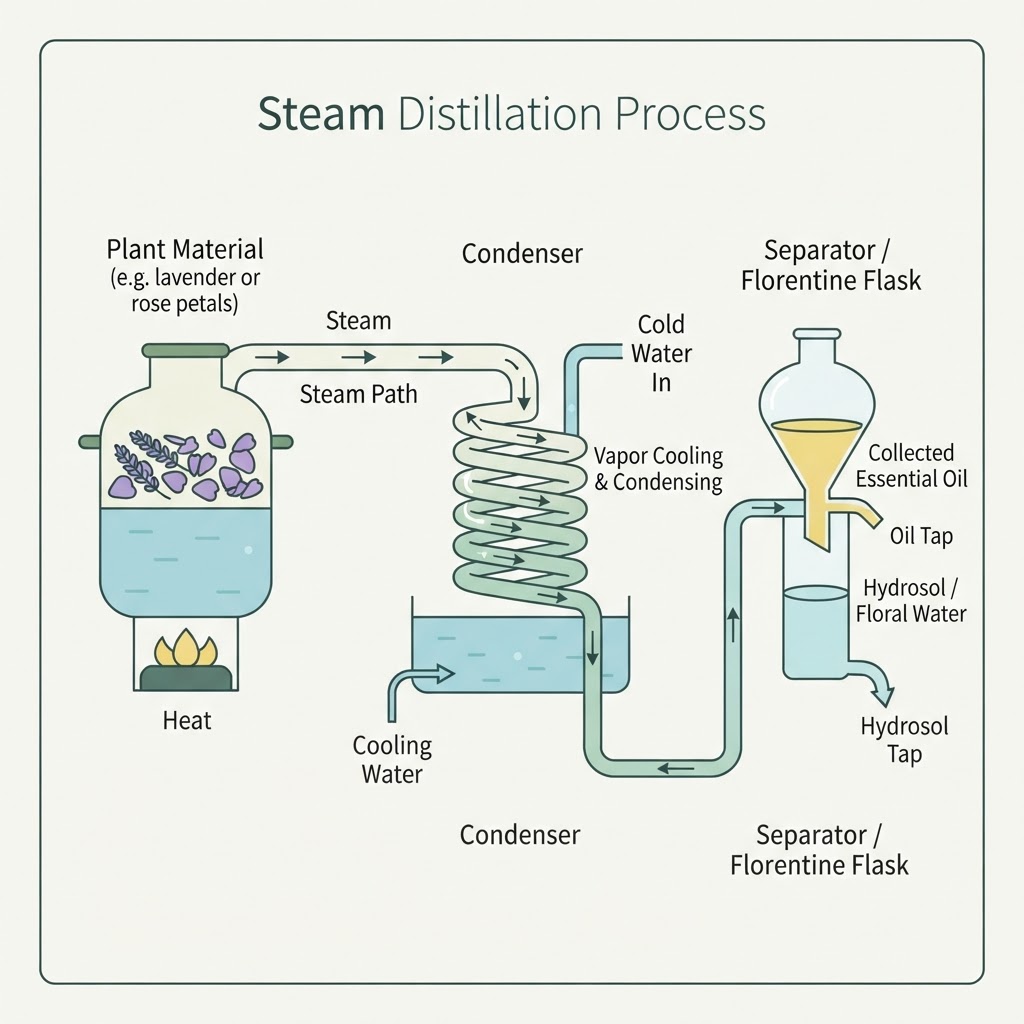
Essential oils are extracted from various parts of a plant, its leaves, flowers, resins, roots and bark, and the most common method is steam distillation. That process was developed by Ibn Sina, a Persian physician who lived from around 980 to 1037 AD. Remarkably, the same basic method he invented is still the preferred way to extract essential oils today.

Steam distillation produces the purest form of the oil, but it’s slow and labour intensive, which is part of why pure essential oils cost what they do.
Essential Oils vs Fragrance Oils
This is one of the most common points of confusion, so it’s worth clearing up properly.
Essential oils are pure plant extracts at their most potent. Producing them can take an enormous amount of raw material, for example, it can take around 10,000 roses to fill a single 5ml bottle of rose oil. That’s why genuine essential oils cost more than the cheap “fragrance oils” you’ll often find in bargain shops.
Fragrance oils are artificial, made from synthetic chemical compounds designed to mimic a natural scent. They’re mass produced, cheaper, and have no therapeutic benefit, so they’re not suitable for aromatherapy. A fragrance oil called “spring rain” is a good example, there’s no plant to distil that scent from, it’s purely a manufactured compound.
Essential oils, by contrast, are used in aromatherapy to support physical, emotional and mental wellbeing, and they’re the only kind that offers genuine benefit for health, for both humans and animals.
What Are Essential Oils Used For?
Essential oils have a wide range of everyday uses. Here’s how they break down.
Mind and Mood
Aromatherapy is probably the best known use. Different oils affect the body and mind in different ways, so the right choice depends on what you’re after.
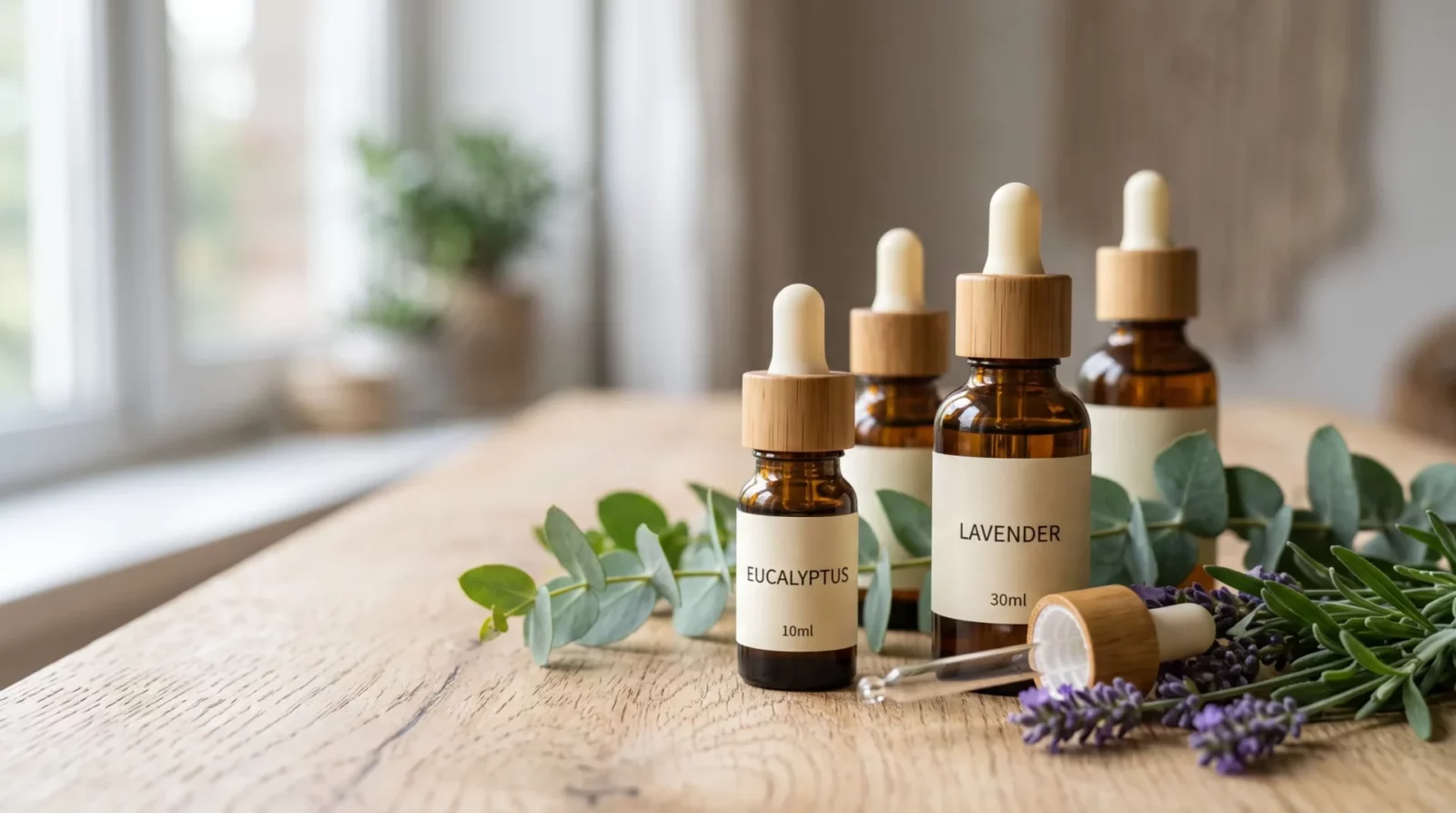
Lavender Oil is often used for relaxation and sleep, while peppermint oil can help with energy and focus. Inhaling certain oils has a calming effect on the mind and body, though direct inhalation should always be done with a bit of caution given how potent these oils are.
Focus and concentration get a boost from oils like rosemary, basil or lemon, which can help improve cognitive function and alertness during study or work. Adding a few drops to a diffuser while you work is an easy way to try this.
Meditation and spiritual practices often use frankincense, myrrh and sandalwood, all of which have a grounding, calming effect that suits meditative settings well.
Body and Skin
Massage and skincare is another common use. Essential oils add a pleasant scent to massage oils and lotions, and offer potential skin benefits too, but they should always be blended with a carrier oil first. Almond oil, jojoba oil and Argan Oil are popular carrier choices that help with hydration and can soothe irritation, since applying essential oils directly can cause a rash for some people.
Personal care products like soaps, shampoos and toothpaste often include essential oils for both fragrance and benefit. Tea Tree Oil in particular is well regarded for purifying the scalp.
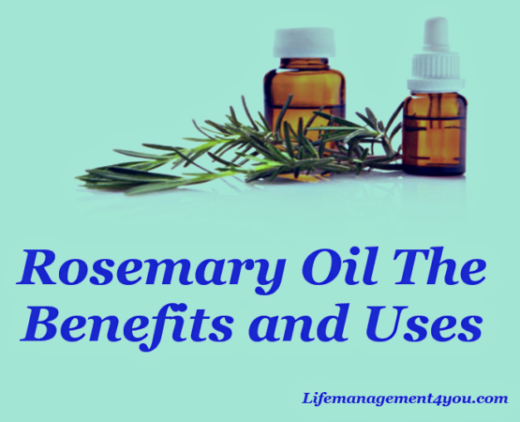
Hair care benefits from oils like Rosemary Oil, which can promote growth and strengthen follicles, peppermint oil, which stimulates the scalp with a cooling sensation, and Argan Oil, which works well for both hair and scalp.
Bath and shower products benefit from a few drops of ylang-ylang, chamomile or Lavender added to bath salts, bombs, or straight into the water.
Home and Lifestyle
Natural home fragrances are one of the simplest uses, a diffuser with the right oil can create a relaxing atmosphere, and some oils can even help ease breathing during a cold. You can buy pre-made blends or make your own at home, and add them to candles, potpourri or linen sprays too.
Cleaning products benefit from oils with antimicrobial properties. Eucalyptus and tea tree oil are both well known for their antibacterial qualities and make a great addition to homemade cleaners.
Travel is another practical use, peppermint or ginger oil can help with nausea or motion sickness, while eucalyptus or citrus oils provide a refreshing lift. A portable inhaler or roller bottle makes this easy on the go.
Culinary uses are possible with food grade oils like lemon, orange or peppermint, but only in very small amounts given how concentrated they are. If you’re considering this, stick to reputable, food grade sources, and check with a healthcare professional first if you have any health concerns.
How to Use Essential Oils Safely
Essential oils are powerful, and using them safely comes down to two main methods.
Aromatic Use (Inhalation)
Inhaling essential oils stimulates the limbic system, the part of the brain involved in emotion and memory, which is why scent can have such a strong effect on mood.
- Diffuser: add 3 to 5 drops of oil to an electric water diffuser to scent a room
- Steam inhalation: add a few drops to a bowl of hot water, lean over it with a towel over your head, and breathe deeply
- Room and fabric sprays: mix a few drops with water in a spray bottle to freshen linens, carpets or furniture
Topical Use (Skin Application)
When applied to the skin, the plant compounds in essential oils are absorbed into the body, which is exactly why dilution matters.
Always mix essential oils with a carrier oil before applying them to skin, undiluted oil is too concentrated and can irritate or burn. A standard dilution is around 2 to 3 drops of essential oil per teaspoon of carrier oil for general use, though this can vary depending on the oil and your skin sensitivity.
Safety Precautions
A few rules are worth keeping in mind no matter how you use essential oils.
- Don’t ingest them unless you’re under the direct supervision of a certified professional, many oils are toxic if swallowed
- Patch test first, apply diluted oil to a small area of your forearm and wait 24 hours to check for a reaction before using it more widely
- Keep them away from pets and young children, oils like tea tree, eucalyptus and peppermint are toxic to dogs and cats, and some oils can affect hormones in young children
Final Takeaway
Essential oils have played a role in human life for thousands of years, from ancient rituals in Egypt and India to the diffuser sitting on your bedside table today. The reasons haven’t changed much either, we still turn to them for wellbeing, for mood, and sometimes just for a nicer smelling home. Used the right way, with the right dilution and a bit of common sense around pets and children, they’re a simple addition to everyday life.
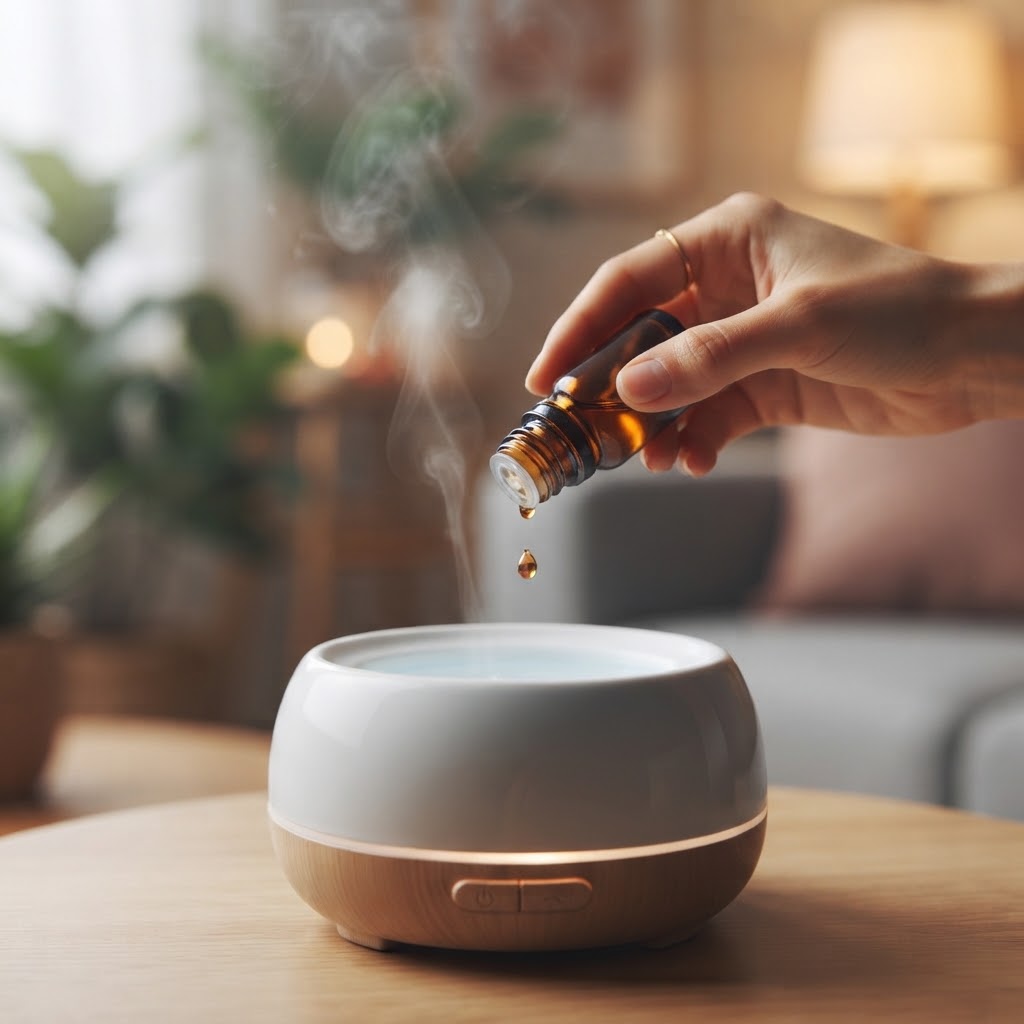
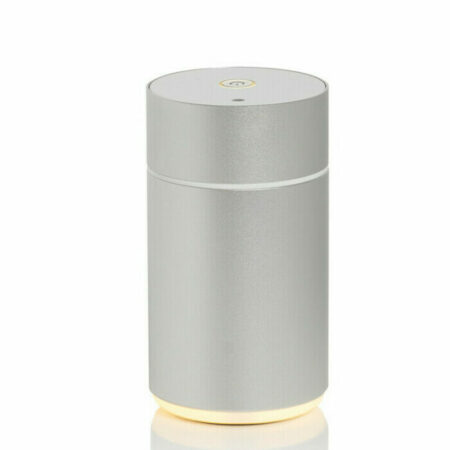
If you’re wondering how to get the most from a diffuser specifically, What is an Essential Oil Diffuser? walks through exactly that.
Frequently Asked Questions
Where’s the best place on the body to apply essential oils?
Pulse points work best; think wrists, temples, the back of the neck and the soles of the feet. These areas have good blood flow close to the skin, which helps the scent and any topical benefits take effect. Always dilute with a carrier oil first.
Do you need a diffuser to use essential oils?
No, a diffuser is convenient but not essential. You can inhale oils directly from the bottle, add a few drops to a bowl of hot water for steam inhalation, or mix them into a carrier oil for topical use.
Can you use essential oils every day?
Many people do use certain oils daily, particularly for things like sleep or skincare, but it’s worth rotating oils occasionally and always diluting properly for topical use. If you notice any skin irritation or headaches, scale back.
Are essential oils safe to use around pets and children?
Not all of them. Oils like tea tree, eucalyptus and peppermint are toxic to dogs and cats, and some oils shouldn’t be used around babies or young children at all. If you have pets or little ones at home, it’s worth checking which specific oils are safe before diffusing or applying anything.
What’s the difference between an essential oil diffuser and a humidifier?
A diffuser is designed to disperse small amounts of essential oil into the air for scent and therapeutic effect. A humidifier adds moisture to the air to help with dryness, and generally isn’t designed to handle essential oils at all, so using oils in a plain humidifier can damage it.
Your Thoughts?
Have you used essential oils before? I’d love to hear which ones have made the biggest difference for you; drop a comment below and let me know.
Note: As am Amazon Affiliate I may earn from qualyfing purchases at no cost to you.
Further Reading:
Should you wish to learn more about using Essential Oils, the book list below will greatly benefit you, along with other beneficial uses of Essential Oils, with my articles below which may be of interest to you.
Lavender Essential Oil Benefits
Tea Tree Essential Oil Uses and Benefits
As Always



I’ve been a fragrance enthusiast for many years and really enjoyed reading your review of the history of essential oils. It’s always so fascinating to think about how many years they’ve been used for therapeutic and medicinal purposes throughout the world. I’ve recently started creating my own fragrances, which are a combination of essential oils and synthetics. Having purchased both types of oils from several sources, you are right that essential oils are more expensive. Rose and sandalwood tend to be the priciest while citrus essential oils tend to be cheaper. I love using essential oils but have found that mixing them with synthetics makes the perfume last longer. Although fragrance oils (synthetics) aren’t natural, they are actually less likely to cause an allergic reaction which is another reason I use them in combination with essential oils.
Have you tried creating your own perfumes using essential oils? I’m curious!
Hi Lynn
Thank you for the visit and comment and great to hear from another person having a wonderful interest in essential oils.
Having worked in a Natural Therapy colleges for years has given me a greater appreciation not only in natural therapies but also Essential oils. That is where i started becoming more aware of the many great benefits Essential oils have to offer. The history is amazing to read about and there is so much more just on that from the many wonderful civilisations of the past.
Yes agree Rose and Sandalwood can be on the higher end of the market price but knowing how much it takes to produce a single drop of oil shows why that is the case.
Sandalwood along with Frankincense are my two favourites and so is Rose as perhaps due to my Mother who loved to grow roses at home every chance she got before passing the world. Even three days before she went I remember coming home and there she was water and tending to her roses. So I guess that is a personal special for me
You mentioned mostly due to the cost of some oils combing them with the Synthetic Fragrance oil. I can understand due to extending the aroma just remember that as you already know Fragrant oils are not the real deal and do not provide any medicinal or therapeutic benefits to health and other issues.
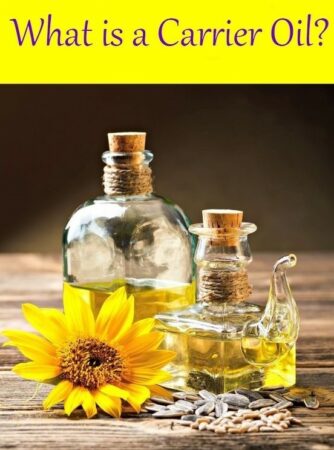
As for skin or allergic reaction it is also best to so a small test patch if unsure of a particular oil. Plus the added bones rather than adding the synthetic oil you could instead combined the essential oil with a Carrier oil. I have created a post on that so just click Carrier oil and more is explained there.
This method can help to extend the aroma and also the essential oil for a longer period there are many combinations and even more that what I have written on this. Plus the fact that carrier oils can have their own therapeutic benefits alongside the essential oil.
To me that would be the better solution in extending the essential oil I will leave you with that thought in mind.
So wishing you every success with your oils enjoy and stay happy.
Namaste
Andre
Hi
Thank you for this informative article on essential oils.
I am glad that you clarified the difference between fragrance oils and essential oils because often this is confused when buying so called natural products.
I use essential oils all the time and for many years and love their amazing healing abilities. The essential oils that I use most often are Oregano, lemongrass, lemon, sweet orange, lavender, peppermint, tea tree, clove, rosemary essential oil, just to name a few.
My best oil at the present time for healing is my Oregano Essential oil because of its amazinly quick healing abilities for example for mouth ulcers gone in a couple of days, minor cuts.
Thanks again for building awareness about essential oils, I have shared this article with social media.
Jennifer
Hi Jennifer
Thank you for the visit and also thank for sharing this on you social media which is very thoughtful of you to do so.
There is a many difference with the synthetic fragrance oil and true pure essential oil as i have written above in the post. That is a must as far as I am concerned in letting other know the difference
Certainly there are many amazing benefits of Pure essential oil that can help to bring many positive aspects in one’s life on all levels physically, mentally , emotionally and spiritually.
You have some similar favourites I love lavender, peppermint tea tree and rosemary especially yet there are many others that can equally become a favourite as well.
All have there wonderful properties and all can certainly help in health as you have stated with The Oregano Essential oil. Its is also great to hear results from someone else so thank you for that input as well.
Wishing you well along your journey and always remember to believe in yourself, keep going forward and enjoy all you do in life.
Namaste
Andre
Hi Andre! I love my essential oils! I use them everyday. My favorite one is lime, thieves and of course frankiences, can’t leave without it! It’s a great oil that has amazing health benefits. Very informative article, especially for those who just started to learn and use EO. It’s important to know the difference between fragrant oils and pure essential oils. But like you mentioned the price is very different between those two. What is your favourite EO company?
Hi Alona
Thank you for the visit and comment so much appreciated.
Its wonderful to hear you are loving your essential oils and more so regularly used as well. Yes Frankincense is a great favourite of mine as well. Thieves although not a direct essential oil as it is made form a combination of other essential oils such as clove, lemon, cinnamon, eucalyptus and rosemary.
Having said that is has many benefits in health particularly in helping to kill viruses, bacteria and mold.
Mentioning the difference between fragrance and essential oil is very important yes there is a difference in price but that is because fragrance oils are synthetically made and have no medical or therapeutic benefit to offer other than being cheap and some fragrant oils can smell nice while some are terrible and not even worth paying a few dollars for as well. Being synthetic it is cheaper to make and manufacture
On the other hand Pure essential oil particulars when cold pressed bring out the pure essence of the properies the plants, bark, resin or trees have to offer and can take much toi produce even a drop of oil. But this oil has some much therapeutic beneftts depending on the oil which in turn makes it dearer than fragrant oil.
One must ask themselves:
Am I looking for just a nice smell in the office or home that is very cheap then yes fragrant oils can have it’s place there but if asking am I looking to improve my health physically, mentally, emotionally and or spiritually then Pure Essential oils is a must.
As for favourite EO company there are a few but but they all offer some oils that others may not have. So no really strict favourite. The ones mentioned in the post are some good ones to look into.
Thank you for your time and visit I really do appreciate you sharing your thoughts and views.
Please come again look forward to this.
Andre
Hi Andre! I love my essential oils! I use them everyday! My favorite ones are lime, thieves and of course frankinces can’t live without it! It’s a great oil that has amazing health benefits. Very informative article, especially for those who just started to learn and use EO. It’s important to know the difference between fragrant oils and pure essential oils. But like you mentioned the price is very different between those two. What is your favorite SO company?
I just love essential oils! I did an aromatherapy massage course many years ago, and had to buy a variety of oils. My favorites were begarmont and orange – for the their lovely aroma. And lavender for its relaxing effect! While we use them today, I’m surprised they are not used more often. You’ve inspired me to use these oils more! It was great to read the history you included too, thank you for sharing!
Hi Shelly Ann
Thank you for the visit and comment much appreciated. Y
es as for the history I felt it needs to be include and give credit to those that kept Essential Oils going.
Lavender is one of my favourites then again so are many others as they can be hard to choose. But that can also depend on its purpose.
Lavender is great if you need to relax and get a good night’s sleep so placing a couple of drops on the pillow or just in case you are worried of staining the pillow cases You can always place those drops on a tissue and have it near by as you relax and nod off to sleep.
Another way which I am in the process of doing a new post on is using an Essential Oil diffuser which will certainly benefit those in the room
I am happy that you have been inspired just make sure you are using the pure essential oils and not the ones marked fragrant as they are not real and synthetically made and have no therapeutic benefits.
Please stay turn for more
Andre
Hi Andre,
I really enjoyed your post.
I have never ever used essential oils, but your post certainly gave me a good history lesson. I enjoyed that!
I think I would like to be mummified when the time comes!
By the way, I could not see the book list at the end of the post. Is there something missing there?
Were essential oils used as a form of currency too?
Is oil extraction something that can be done at hobby level? That could be fun!
Good post!
Tim
Hey Tim
Thanks for dropping by with your comment and glad to provide just a short snippet on the history lesson.
As for the book list I checked it out and it works so not sure why you can’t get there as it is certainly working this side. Perhaps you may need to refresh your browser and try again.
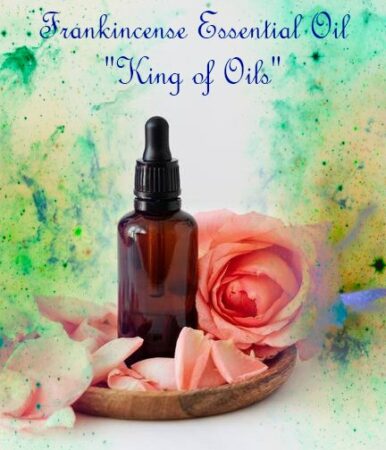
As for currency Frankincense what a highly valuable possesion and you can read on my other post on What is Frankincense At once time is was more highly valued than Gold and as you would be aware was also a gift given the the Christ Child Jesus at his birth along with Myrrh and Gold. So yes it was used a currency even solders at times were paid instead of regular currency at times.
For Oil extraction it probably would be better to purchase the oil not only for some places such as Frankincense are located in certain areas and is not a normal plant or tree to grow. Plus to extract some oils you need a high amount like Rose oil can take 1000’s or petals to produce 5 ml of oil not to mention the various methods of which cold pressing is best.
However you do have other oils which can easily be extracted such as lemons, other citrus fruits but learning the right way to do this first is the best option.
Thank you for the visit much appreciated.
Andre