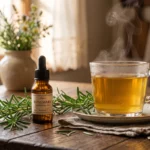
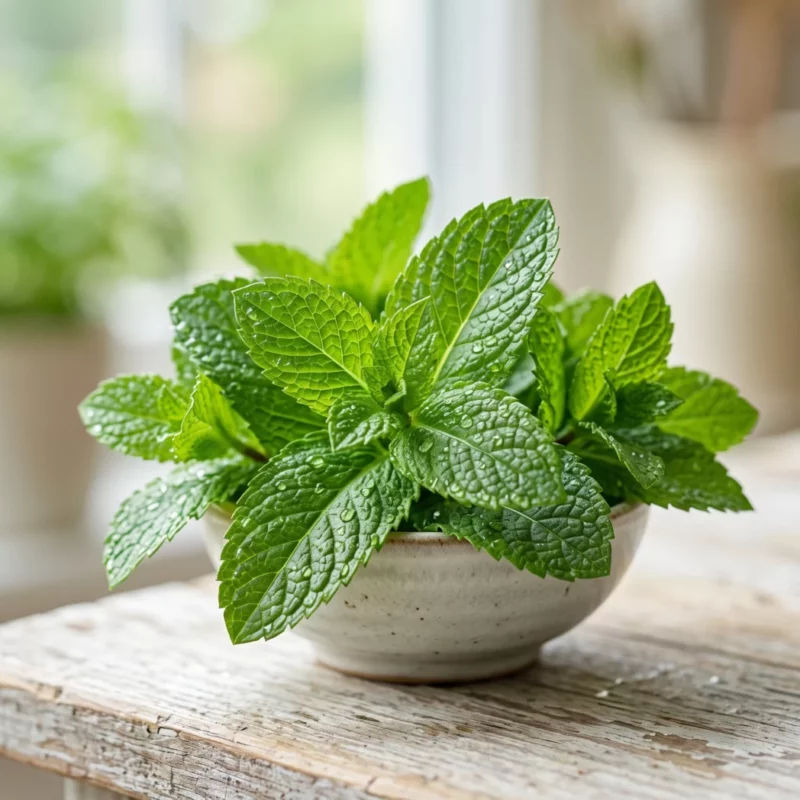
The health benefits of mint go far beyond its role as a simple garnish. Mint is one of the oldest and most widely used herbs in the world, valued for its refreshing flavour, soothing digestive properties, and powerful aromatic compounds. Whether enjoyed fresh, brewed in tea, or used as essential oil, mint continues to play an important role in both culinary traditions and natural wellness.
Key takeaways:
- Eases digestion, bloating, and nausea
- Freshens breath and supports oral health
- Contains antioxidants like vitamin A and C
- Helps reduce stress, fatigue, and mental fog
- Soothes skin irritation and scalp dryness
- May ease menstrual cramps and cold symptoms
Affiliate Disclaimer:
I am also a participant in the Amazon Services LLC Associates Program: As an Amazon Associate, I earn from qualifying purchases.”
Old Lore and History
Mint’s story begins in ancient Greek mythology. The herb’s name comes from Mentha, inspired by the nymph Minthe. According to legend, Minthe caught the attention of Hades, the god of the underworld. Persephone, jealous and protective, transformed Minthe into a plant. Unable to reverse the spell, Hades ensured she would be remembered by giving her a beautifully refreshing scent.
This myth explains why mint has been associated with vitality, remembrance, and attraction throughout history. It also highlights how deeply rooted mint is in human culture — long before the health benefits of Mint were understood scientifically. From ancient rituals to traditional medicine, mint has always been valued for its aroma, flavour, and healing properties.
Culinary Uses of Mint

Mint is one of the most versatile culinary herbs worldwide. Middle Eastern dishes use mint in salads and soups, British cuisine features mint sauce, and American traditions include mint jelly. Fresh mint leaves elevate drinks, desserts, smoothies, and teas.
Adding mint to water creates a naturally refreshing drink, while its cooling flavour enhances ice creams, fruit salads, and baked goods. Regardless of where you’re from, mint remains a staple in both cooking and wellness.
Health Benefits of Mint
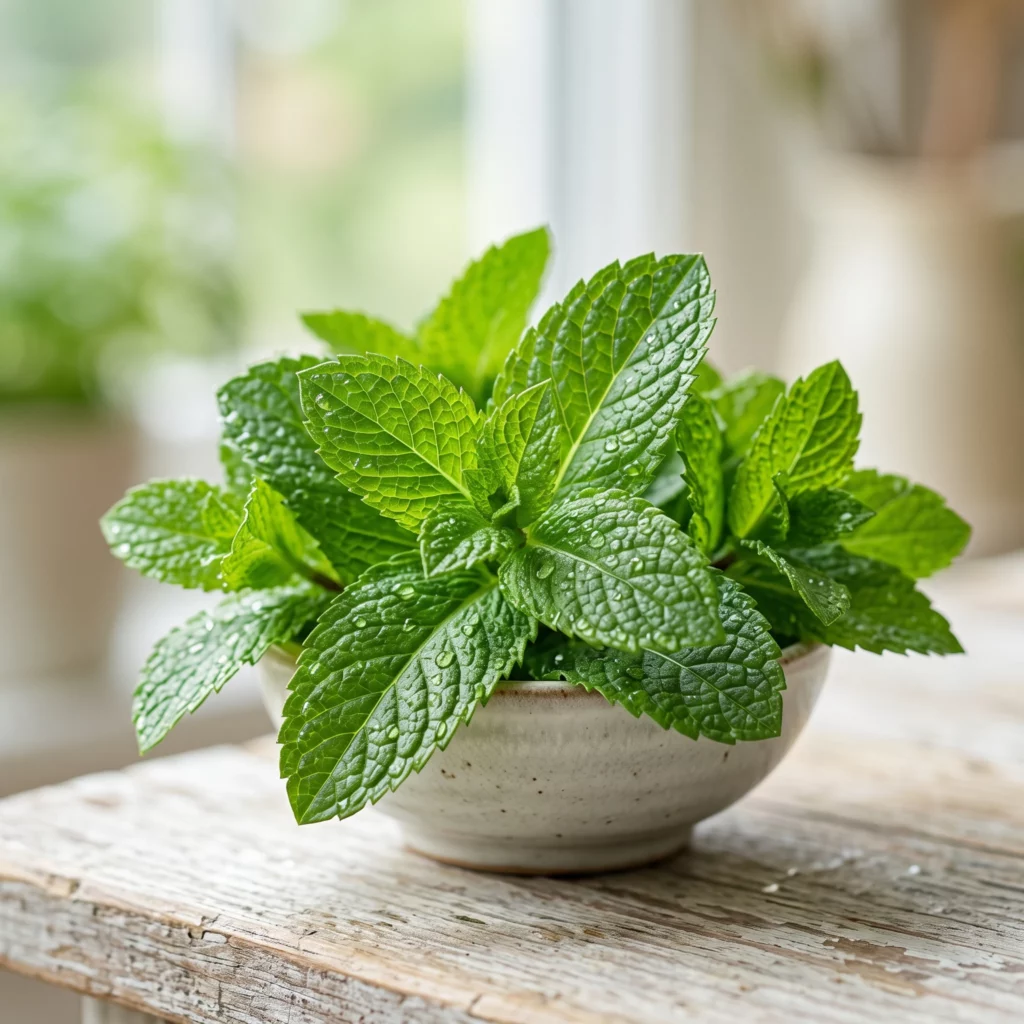
Improves Oral Health
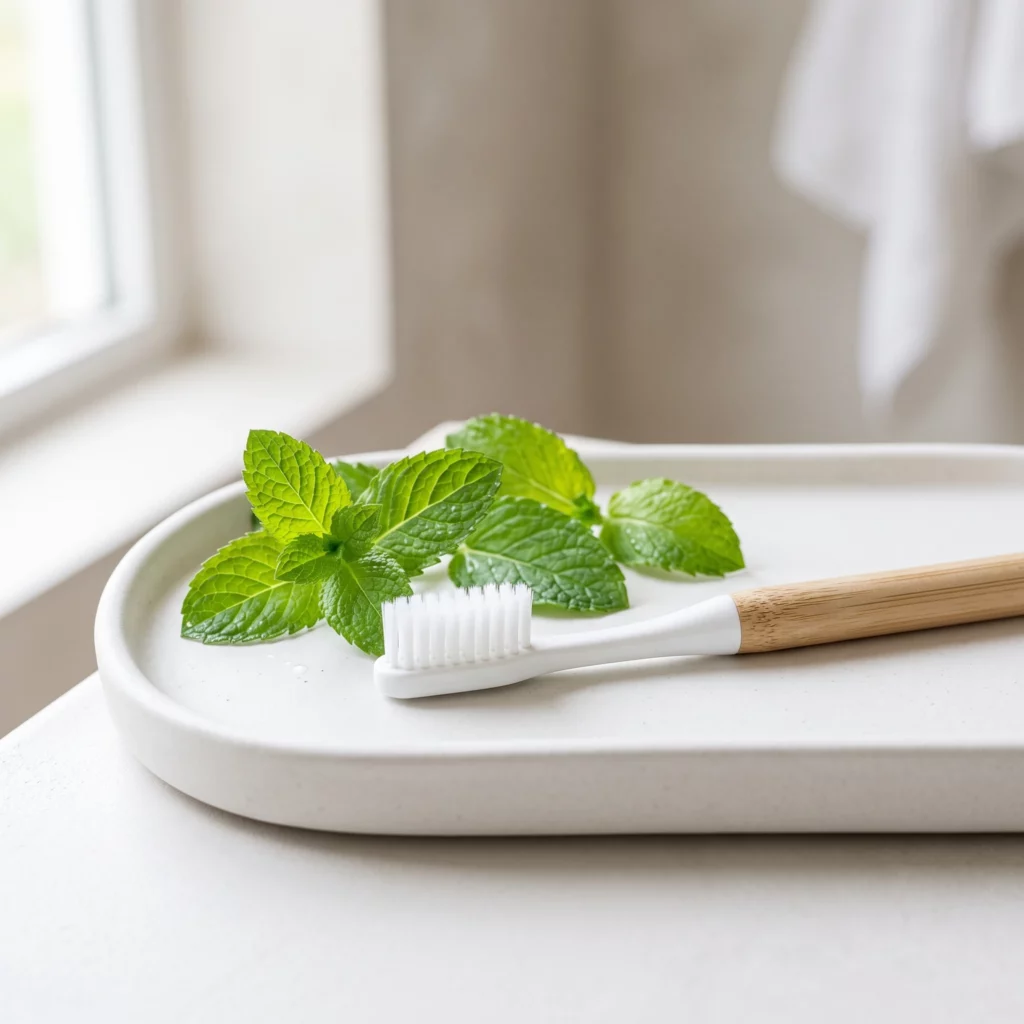
Mint’s antibacterial properties make it a natural mouth freshener. Peppermint and spearmint are widely used in toothpaste, mouthwash, chewing gum, and breath mints. They help reduce bacteria responsible for bad breath and support overall oral hygiene.
Mint is also rich in carotenes and vitamin C, contributing to gum health and fresh breath.
Calmative & Digestive Support
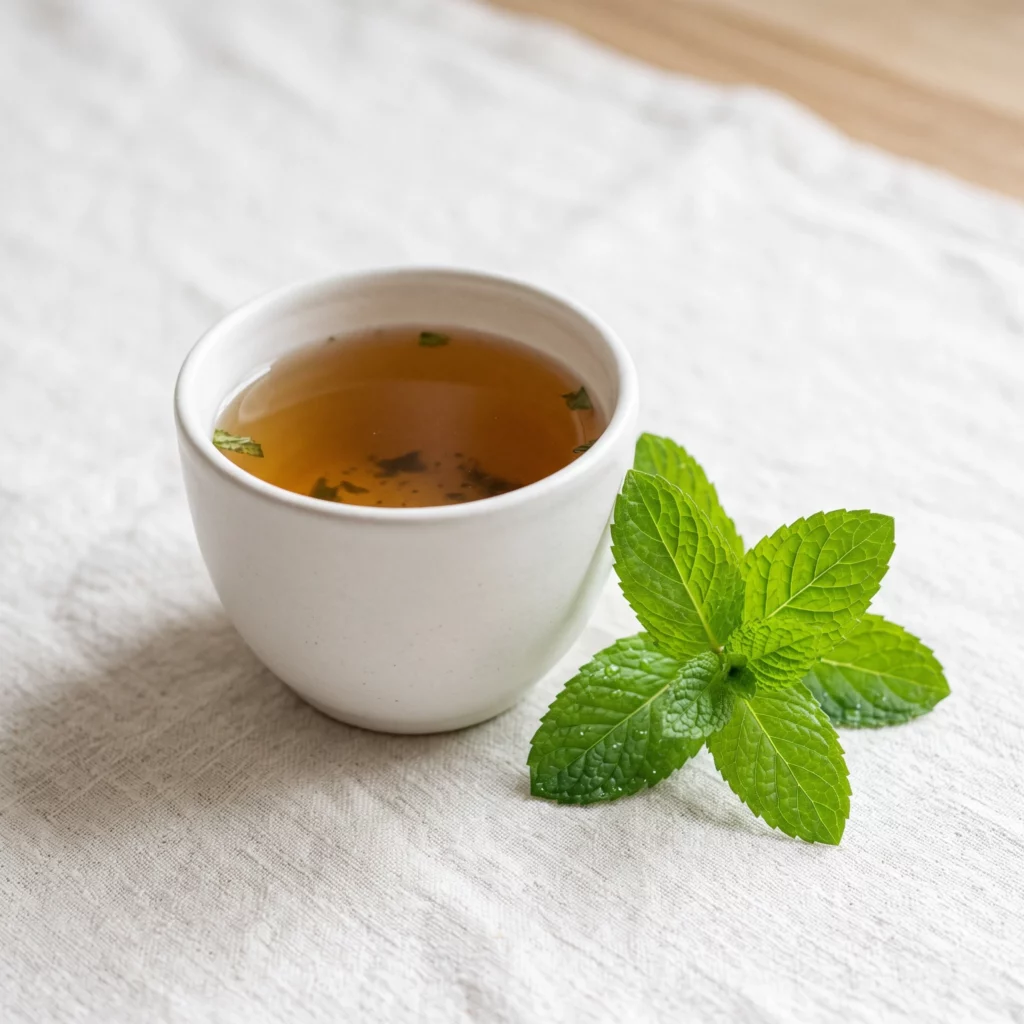
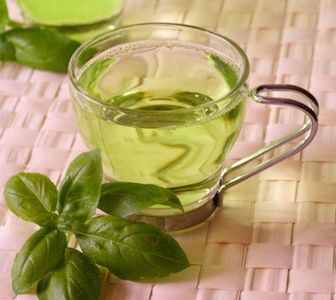
Peppermint tea is well known for soothing digestive discomfort. Menthol relaxes the smooth muscles of the stomach, helping reduce gas, bloating, and cramping. This makes mint particularly helpful for:
- Upset stomach
- Nausea
- Fullness after meals
- Digestive spasms
Warm peppermint tea sipped slowly can ease nausea and even help during episodes of vomiting.
Blood Pressure & Blood Sugar Considerations
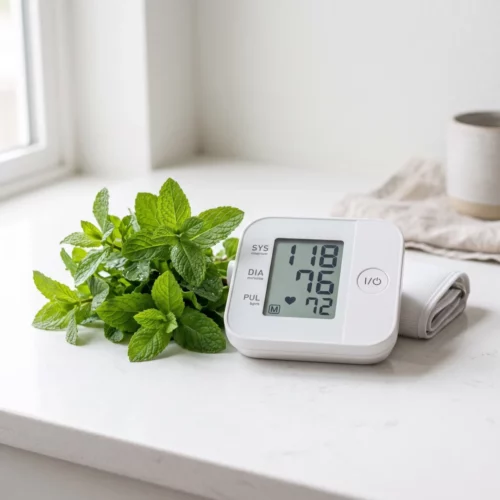
Studies suggest peppermint may help lower blood sugar levels, which can benefit individuals with hyperglycemia. However, those with hypoglycemia or those taking blood sugar–lowering medication should exercise caution, as peppermint may amplify the effects
Mood, Stress & Depression Support
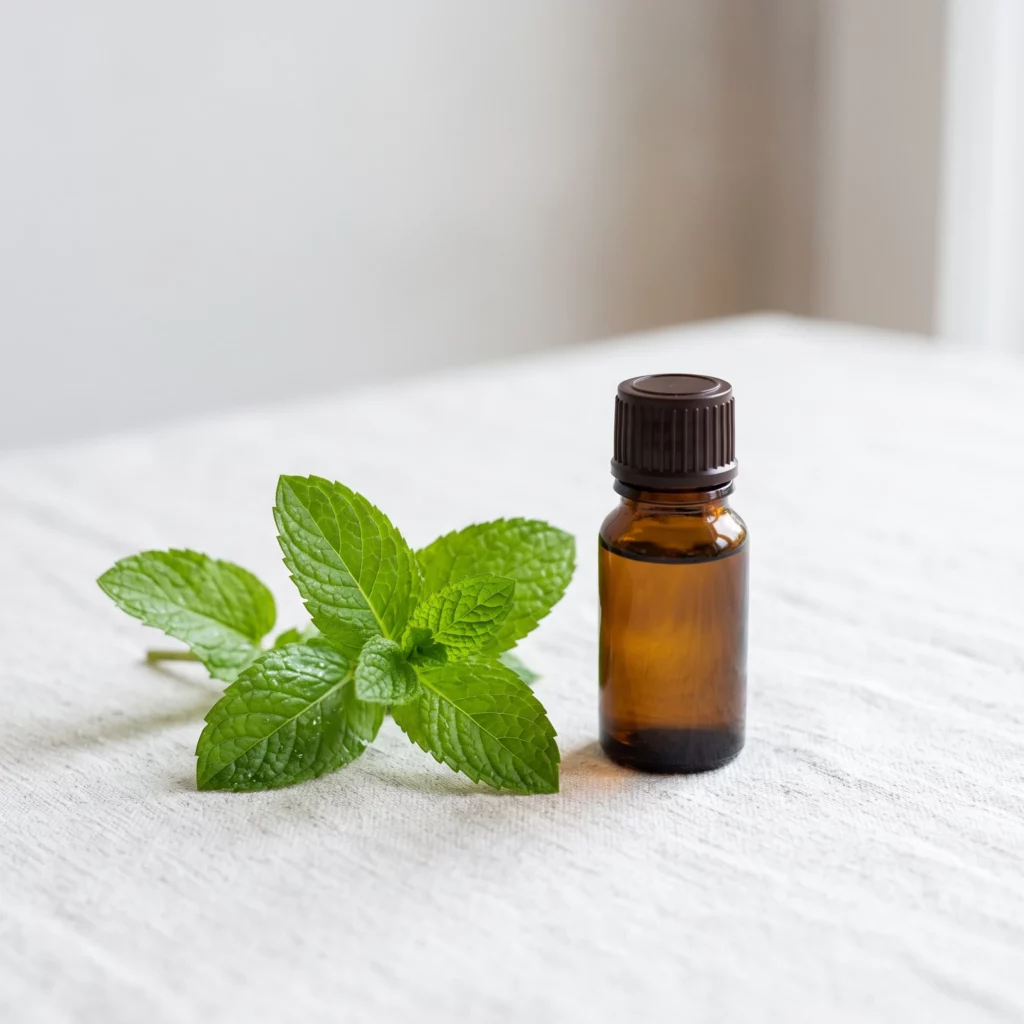
Mint’s aroma acts as a natural stimulant. Inhaling peppermint essential oil may:
- Boost alertness
- Reduce fatigue
- Improve focus
- Ease mild anxiety
A few drops on a pillow or in a diffuser can help calm the mind and support relaxation.
Skin & Hair Care Benefits

Peppermint oil’s antiseptic and anti-inflammatory properties make it useful for:
- Soothing rashes
- Calming dry skin
- Reducing scalp itchiness
- Balancing oily or dry scalp conditions
Menstrual Symptom Relief
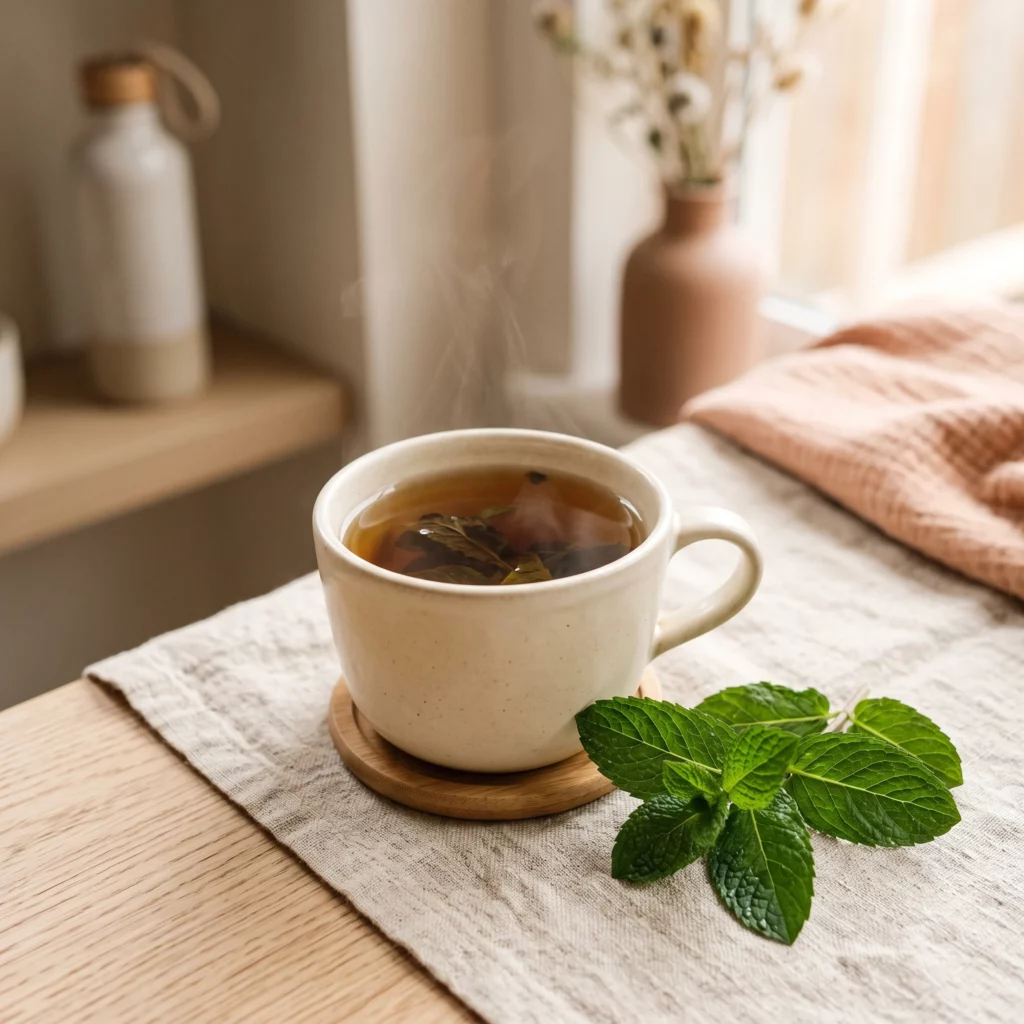
Mint’s muscle‑relaxing properties can help ease menstrual cramps. Peppermint tea or diluted peppermint oil applied to the lower abdomen may reduce discomfort during menstrual cycles..
Colds, Coughs & Respiratory Relief

Menthol, a key compound in peppermint, provides a cooling sensation that can make breathing feel easier. While menthol isn’t a true decongestant, it can improve the perception of airflow.
Another great form of Mint is using peppermint essential oil in a diffuser can help:
- Soothe coughing
- Ease throat irritation
- Create a calming aromatic environment
- Reduce the feeling of nasal congestion
Adding 1–2 drops of peppermint oil to a diffuser fills the room with a refreshing scent while allowing you to inhale its natural benefits. The gentle vapour helps relax the throat muscles and may reduce inflammation in the mouth or upper airways.
How to Use Fresh Mint
Fresh mint is incredibly versatile and easy to incorporate into everyday routines. You can add it to salads, smoothies, teas, and infused water for a refreshing boost. Mint pairs well with fruits, vegetables, and light meals, making it a simple way to elevate flavour without added sugar or calories.
For wellness, mint can be used in homemade teas, steam inhalation, or infused oils. Its cooling aroma and natural compounds make it a gentle addition to digestive support, oral care, and relaxation rituals. Whether used in cooking or self‑care, fresh mint brings a clean, vibrant touch to daily life.
Risks & Precautions
Mint is generally safe for most people, but there are a few situations where caution is helpful. Peppermint can sometimes worsen acid reflux because it relaxes the muscles of the esophagus, making symptoms more noticeable for people with GERD.
Those with sensitive skin may also experience mild irritation when using mint‑based products directly on the skin. It is always good to test a small patch on the skin first.
Peppermint oil should always be diluted before use, as concentrated oils can be too strong for children or individuals with respiratory sensitivities.
Anyone taking medications or managing chronic conditions should speak with a healthcare professional before using mint therapeutically. Used mindfully, mint remains a gentle and beneficial herb for everyday wellness
Conclusion
Mint is one of the most versatile herbs in the world, valued for its refreshing flavour, soothing digestive properties, and powerful aromatic compounds. From ancient mythology to modern scientific research, mint has earned its place as both a culinary favourite and a natural wellness ally.
Whether enjoyed fresh, brewed in tea, or used as an essential oil in a diffuser, mint offers a wide range of benefits that support everyday health, mood, skin, digestion, and respiratory comfort.
Adding mint to your routine is simple, sustainable, and enjoyable. Whether you grow it at home, cook with it, or use it in aromatherapy, mint remains a timeless herb that continues to deliver natural support for the body and mind.
Frequently Asked Questions:
Does mint actually help with digestion?
Yes. Peppermint’s menthol relaxes the smooth muscles of the digestive tract, helping reduce gas, bloating, and cramping. This makes it especially helpful after heavy meals or during digestive discomfort.
Is peppermint better than spearmint for health benefits?
Peppermint generally contains more menthol, making it stronger for digestion, respiratory relief, and aromatherapy. Spearmint is milder and often preferred for culinary use or for those sensitive to menthol.
Can mint help with headaches or stress?
Yes. Inhaling peppermint essential oil or applying diluted oil to the temples may ease tension headaches and improve mental clarity. Its aroma can also reduce fatigue and mild anxiety.
Does mint help with cold symptoms?
Menthol doesn’t act as a true decongestant, but it improves the perception of airflow, making breathing feel easier. Using peppermint oil in a diffuser can soothe coughing and throat irritation.
Is mint safe for everyone?
Mint is safe for most people, but those with GERD may find symptoms worsen. Peppermint oil should never be ingested in large doses, and pure menthol is toxic. Avoid applying mint oil to the face of infants or small children.
How can I add more mint to my diet?
Mint can be added to salads, teas, smoothies, fruit dishes, soups, and infused water. It’s also easy to grow at home, making it a sustainable flavour booster.
If you’ve experienced the health benefits of mint yourself, feel free to share your story; your experience may help someone else discover how powerful this little herb can be.
As Always